
📑 Table of Contents ▶
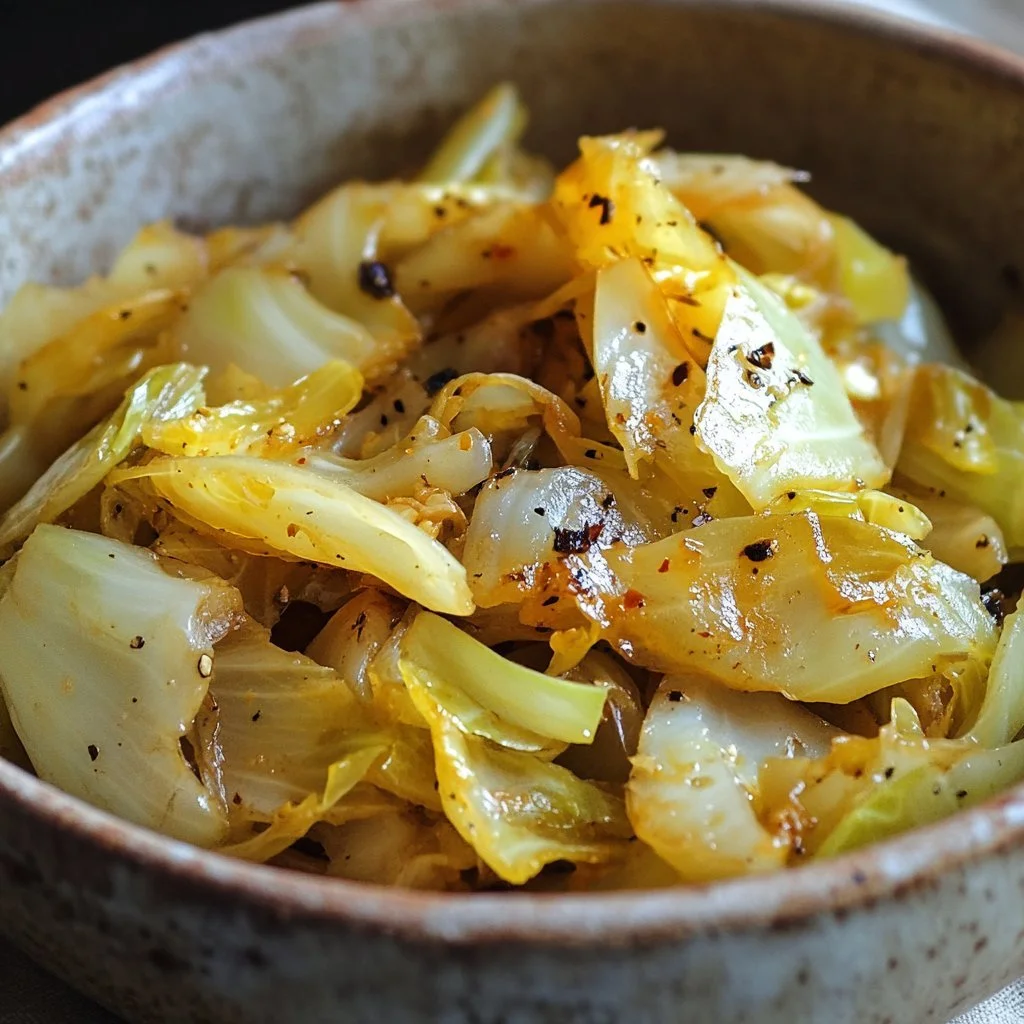
Simple Sautéed Cabbage
I’m Della Lucia, and HealthyDinnerMeals was created from my belief that food should nourish both the body and the moments we share. My fondest memories come from simple homemade meals — not perfection, just comfort, connection, and care. Here, healthy eating stays approachable and satisfying, with recipes that fit real life: quick, flavorful, and balanced. Whether you’re cooking for yourself or loved ones, I hope these meals help you feel confident in the kitchen and inspired to enjoy every moment around the table.
The aroma of sautéed cabbage takes me back to days spent in the kitchen with my family. Cooking always felt like an adventure. With just a few simple ingredients, we transformed vegetables into a side dish that complemented many meals. That’s the essence of sautéed cabbage — simple yet satisfying.
Sautéing cabbage is one of those straightforward techniques that can elevate your meal while staying healthy. A medium head of cabbage, when treated with care, becomes a fantastic dish that showcases vibrant flavors. Everyone can find joy in this meal, whether you’re a novice cook or someone with years of experience.
This recipe for sautéed cabbage uses minimal ingredients but packs a flavor punch. The combination of garlic, olive oil, and a hint of acidity makes each bite memorable. You will enjoy the crisp tenderness and the possibility of customizing it with optional ingredients, making it easy to adapt to your palate.
How to Sauté Cabbage Perfectly
Fundamentals
Sautéed cabbage serves as a versatile side dish that enhances dinner without demanding too much time or effort. Knowing the basic techniques makes this dish accessible to everyone. Whether you want a quick weekday meal or a side for a weekend gathering, sautéing cabbage is a reliable choice. The vibrant green color and crunchy texture invite anyone to give it a try.
Sautéing involves cooking food quickly in a hot pan with a small amount of oil. This method allows the cabbage to retain its crunch while absorbing the flavors from the garlic and any seasonings added. The result is a delightful dish that pairs well with so many entrees.
When preparing sautéed cabbage, remember that the key is to keep things simple. Fewer ingredients mean more focus on the natural flavors of the cabbage. Olive oil adds richness, while garlic provides aromatic depth. By mastering this dish, you will gain a solid foundation for numerous future culinary endeavors.
Preparation/Setup
Getting started with sautéed cabbage is a breeze. First, clear a space in the kitchen and gather all necessary tools and ingredients. You will need a large skillet to accommodate the cabbage as it cooks down, a cutting board to shred the cabbage, and a knife for the garlic.
Begin by washing the cabbage thoroughly to remove any dirt or debris. A clean head of cabbage ensures a fresh taste for your sautéed dish. Once it’s clean, remove any outer leaves that look damaged or wilted. Shred the cabbage into thin strips, allowing it to cook evenly.
Mise en place is the name of the game here. Before you heat the skillet, prepare the garlic by mincing it finely. This ensures that it melds beautifully into the dish without remaining chunky. Finally, keep your seasonings within reach for easy access once the cooking starts.
Ingredients
To prepare this simple sautéed cabbage, gather the following ingredients:
- 1 medium head of cabbage, shredded
- 2 tablespoons olive oil
- 2 cloves garlic, minced
- Salt and pepper, to taste
- 1 tablespoon apple cider vinegar (optional)
- Red pepper flakes (optional, for heat)
These ingredients create a well-balanced dish while allowing for personal flair. Opting for the apple cider vinegar adds a piercing tang if you prefer a more vibrant flavor. Red pepper flakes introduce a pleasant heat, giving a little kick when desired.
Directions
- Heat the olive oil in a large skillet over medium heat.
- Add the minced garlic and sauté for about 1 minute until fragrant.
- Add the shredded cabbage to the skillet. Stir well to combine with the garlic.
- Cook, stirring occasionally, for about 5-7 minutes until the cabbage is tender but still slightly crisp.
- Season with salt, pepper, and red pepper flakes if using.
- If desired, add apple cider vinegar for a tangy flavor.
- Serve warm as a side dish.
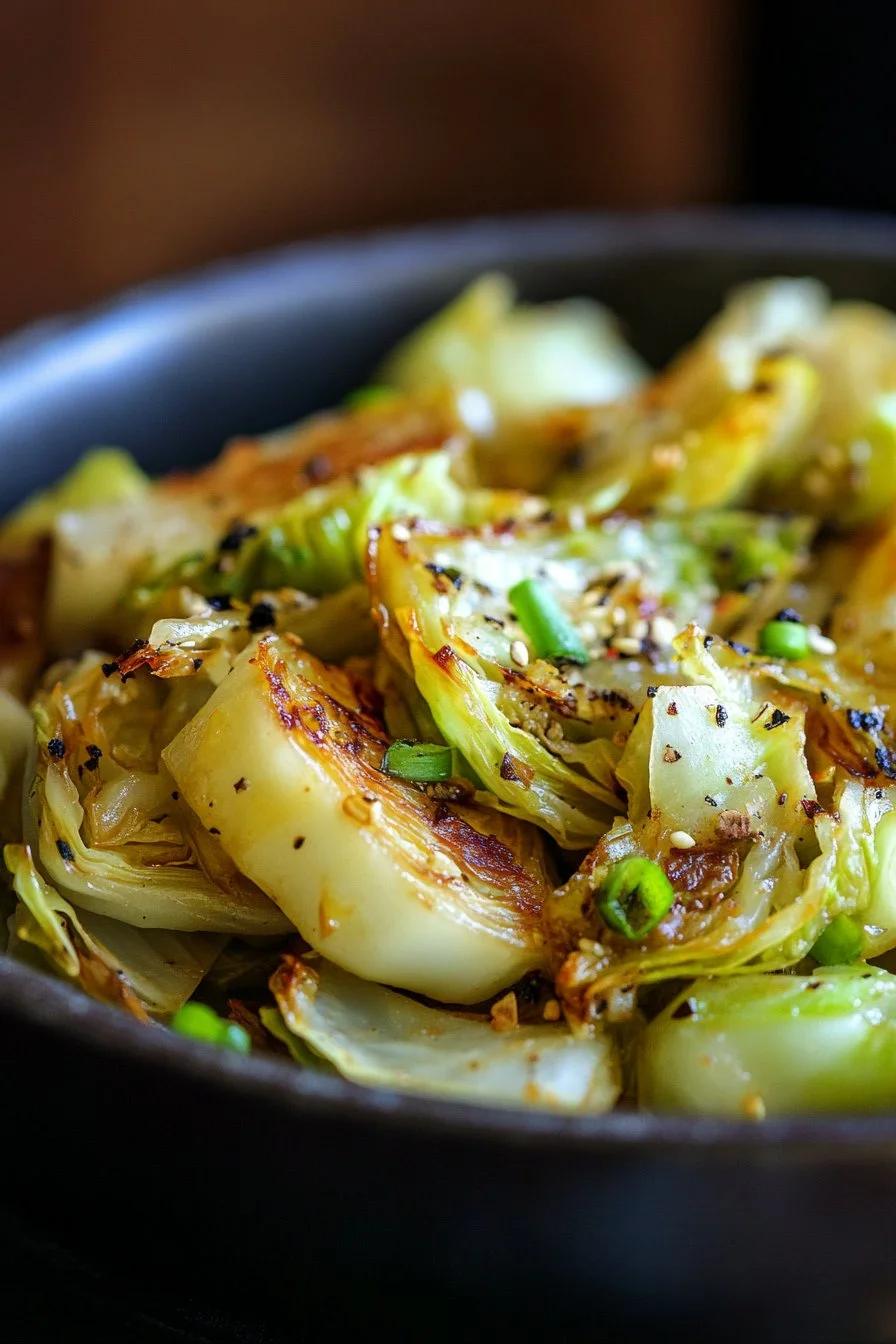
Mastering the Technique of Sautéed Cabbage
Technique
The technique for sautéing cabbage might sound simple, but precise execution allows you to achieve ideal results. The timing plays a significant role in keeping the cabbage tender and crisp. Overcooking leads to mushiness, losing that delightful crunch.
Start by heating the olive oil over medium heat, ensuring it warms thoroughly before adding the garlic. Once the garlic becomes fragrant, introduce the shredded cabbage. Give it a good stir to coat each piece with oil, which helps in caramelization.
Cooking the cabbage requires occasional stirring to promote even heat distribution. Patience is crucial here; allowing the cabbage to sit for brief periods leads to beautiful browning. This adds depth and flavor to the dish without overwhelming the vegetable’s natural taste.
Tips/Tricks
A few tips can elevate your sautéed cabbage to new heights. First, consider variations in garlic preparation. If you prefer a milder garlic flavor, add it later in the cooking process. Adding garlic too early can result in bitterness, so timing matters.
Experiment with the sautéing temperature as well. If you find that the cabbage is not browning as desired, try raising the heat slightly. Conversely, if the cabbage starts to brown too quickly, lower the heat to maintain a balance.
Lastly, don’t shy away from personalizing the dish. Add other vegetables like bell peppers or onions for a different texture and flavor profile. By incorporating these elements, you craft a unique version of sautéed cabbage that suits your preferences perfectly.
Perfecting the Results of Sautéed Cabbage
Perfecting Results
Achieving the perfect sautéed cabbage requires practice and attention to detail. Tossing in a pinch of salt early in the cooking process can help draw out moisture from the cabbage. This moisture assists in softening the leaves while preventing burns on the garlic.
If you want a bolder flavor, consider adjusting the seasonings. Tinkering with salt and pepper ratios creates a balance that enhances your dish. You can also modify the quantity of garlic or red pepper flakes based on personal taste.
Test doneness by tasting the cabbage as it cooks. This will inform you whether the leaves have reached your desired tenderness. Remember, the goal is to leave them slightly crisp, offering that satisfying bite without being tough.
Troubleshooting/Variations
While the sautéed cabbage technique is simple, you might encounter a few hurdles. If the cabbage begins to burn, immediately reduce the heat and stir more frequently. Burnt bits can alter the flavor negatively, so keeping a close watch is essential during cooking.
In case you want to alter the flavor further, consider adding spices such as cumin or turmeric. These spices can create a warm and earthy note, transforming the dish into a more global cuisine experience. Adding some protein, like chickpeas or tofu, can also convert this side dish into a wholesome vegetarian meal.
Trying different acids aside from apple cider vinegar can also be a fun experiment. Lemon juice adds freshness, while balsamic vinegar provides a distinct sweetness. These variations can take your sautéed cabbage in new delicious directions.
Presentation and Storage for Sautéed Cabbage
Serving/Presentation
Presenting your sautéed cabbage beautifully enhances the dining experience. Consider serving it in a polished white bowl or on a colorful platter. The vibrant greens of the cabbage contrast well with the neutral background, creating an appealing visual.
To elevate the dish, sprinkle some chopped fresh herbs like parsley or cilantro on top for a pop of color. The freshness of the herbs will brighten the flavors of the sautéed cabbage. Alternatively, adding toasted nuts can provide a delightful crunch and richness.
Keep the servings moderate to encourage second helpings. A beautiful garnished bowl makes for an inviting sight, enticing everyone to dig in. Encourage diners to accompany the dish with their favorite main courses for an enjoyable meal.
Pairings/Storage
Sautéed cabbage pairs well with an array of dishes, including grain bowls, sandwiches, or roasted meats. It can complement chicken, vegetables, or even grains like quinoa, offering flexibility in meal planning.
For storage, keep any leftovers in an airtight container in the refrigerator. Sautéed cabbage typically lasts about three days when stored properly. Reheat gently over low heat on the stovetop to preserve its texture and flavor.
You can incorporate sautéed cabbage into wraps or salads throughout the week, making it versatile for quick lunches or dinners. Having a flavorful and nutritious side dish on hand simplifies meal prep and encourages healthy eating.

Simple Sautéed Cabbage
- Prep Time: 10 minutes
- Cook Time: 7 minutes
- Total Time: 17 minutes
- Yield: 4 servings
- Category: Side Dish
- Method: Sautéing
- Cuisine: American
- Diet: Vegetarian
Description
A quick and flavorful sautéed cabbage dish that is a versatile side for any meal.
Ingredients
- 1 medium head of cabbage, shredded
- 2 tablespoons olive oil
- 2 cloves garlic, minced
- Salt and pepper, to taste
- 1 tablespoon apple cider vinegar (optional)
- Red pepper flakes (optional, for heat)
Instructions
- Heat the olive oil in a large skillet over medium heat.
- Add the minced garlic and sauté for about 1 minute until fragrant.
- Add the shredded cabbage to the skillet. Stir well to combine with the garlic.
- Cook, stirring occasionally, for about 5-7 minutes until the cabbage is tender but still slightly crisp.
- Season with salt, pepper, and red pepper flakes if using.
- If desired, add apple cider vinegar for a tangy flavor.
- Serve warm as a side dish.
Notes
Avoid overcooking to keep the cabbage crisp. Personalize with additional vegetables or spices as desired.