
📑 Table of Contents ▶
Homemade Sandwich Bread
I’m Della Lucia, and HealthyDinnerMeals was created from my belief that food should nourish both the body and the moments we share. My fondest memories come from simple homemade meals — not perfection, just comfort, connection, and care. Here, healthy eating stays approachable and satisfying, with recipes that fit real life: quick, flavorful, and balanced. Whether you’re cooking for yourself or loved ones, I hope these meals help you feel confident in the kitchen and inspired to enjoy every moment around the table.
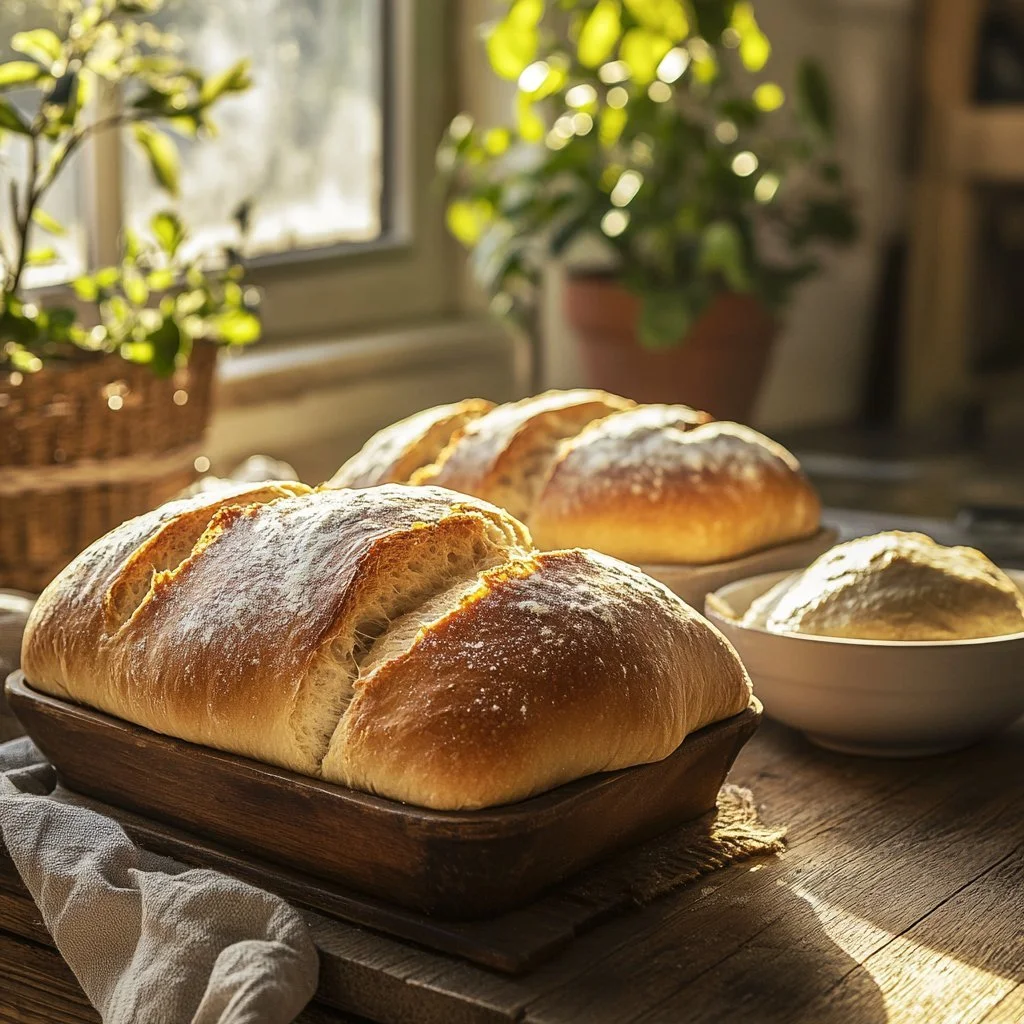
Homemade sandwich bread captures a unique essence of warmth and nostalgia. It fills the kitchen with an irresistible aroma while it bakes, instantly transporting you back to cozy family gatherings. The best part is how easy it is to create a soft, fluffy loaf right at home with minimal ingredients.
With just a few pantry staples, you can whip up a batch of delicious homemade sandwich bread. Imagine taking a slice of warm bread, spreading soft butter, and savoring the simplicity of that perfect bite. Each ingredient plays a vital role, combining to create a texture that elevates any sandwich.
This homemade sandwich bread recipe opens the door to endless possibilities. Whether you enjoy it toasted with a touch of jam, as the foundation for a hearty club sandwich, or just on its own, the experience becomes even more delightful. Let’s dive into this easy recipe for homemade sandwich bread that fills your home with love.
Homemade Sandwich Bread
Fundamentals
Creating homemade sandwich bread starts with understanding the fundamentals of bread making. This process hinges on a balance of yeast, flour, water, and salt. Each component contributes significantly to both texture and flavor, and knowing how they interact is essential for success.
Firstly, yeast brings life to your bread. It ferments, producing carbon dioxide that causes the dough to rise. Secondly, flour provides the base, giving structure. Thirdly, salt enhances flavor while controlling yeast activity, enabling a well-crafted loaf. Lastly, warm water acts as a facilitator, activating the yeast and marrying the dry ingredients.
Preparation/setup
To prepare your kitchen for making homemade sandwich bread, gather all necessary equipment. You’ll need a large mixing bowl for combining ingredients, a clean surface for kneading, and a greased loaf pan for baking. Keeping everything ready makes the process smooth and enjoyable.
Proper setup also includes creating a warm environment for the dough to rise. An excellent trick is to preheat your oven to its lowest setting for a few minutes, then turn it off. Allow the dough to rest in this cozy space, encouraging it to double in size.
Ingredients
Let’s take a closer look at what you’ll need for this recipe:
- 3 cups all-purpose flour
- 1 cup warm water
- 2 tablespoons sugar
- 2 teaspoons salt
- 2 tablespoons butter, melted
- 2 teaspoons active dry yeast
Each of these ingredients contributes to the overall structure and flavor of the bread. Keep them handy as you progress through the recipe.
Directions
Begin by dissolving the sugar in warm water within a bowl. Sprinkle the active dry yeast over the top and let it sit for about 10 minutes until frothy. This step ensures the yeast activates properly, providing the desired rise in your loaf.
In a large mixing bowl, combine the all-purpose flour and salt. Make a well in the center, and carefully add the yeast mixture along with the melted butter. Mix everything together until a dough begins to form.
Next, knead the dough on a floured surface for about 10 minutes until it becomes smooth and elastic. This process develops the gluten structure, essential for texture.
Once kneading is complete, place the dough in a greased bowl. Cover it with a cloth and allow it to rise in a warm spot for about an hour or until doubled in size.
After rising, punch down the dough to remove excess air, then shape it into a loaf. Transfer it into a greased loaf pan, cover it again, and let it rise for another 30 minutes.
Preheat your oven to 375°F (190°C). Bake the bread for 25-30 minutes or until it’s golden brown. Allow it to cool completely before slicing.
Mastering Homemade Sandwich Bread
Technique
Mastering techniques when baking bread can elevate the quality of your homemade sandwich bread. One key technique involves kneading. Focus on the rhythm of folding and pressing the dough. Don’t rush through this; give your attention to the texture, ensuring it becomes smooth and elastic.
Another essential technique is the dough rising process. Patience plays a crucial role here. Allow the dough to rise until it doubles in size, taking advantage of that warm environment you created earlier. This rising time allows for better flavor development.
Tips/tricks
Specific tips can streamline your baking experience. First, weigh your flour instead of using cup measurements for accuracy. This method ensures consistent results every time.
Keep your workspace organized. Lay down a floured surface beforehand and have your ingredients ready. This preparation makes the process more efficient.
Utilize a digital kitchen thermometer to check the internal temperature of your bread. Perfectly baked bread usually reaches around 190°F (88°C) inside.
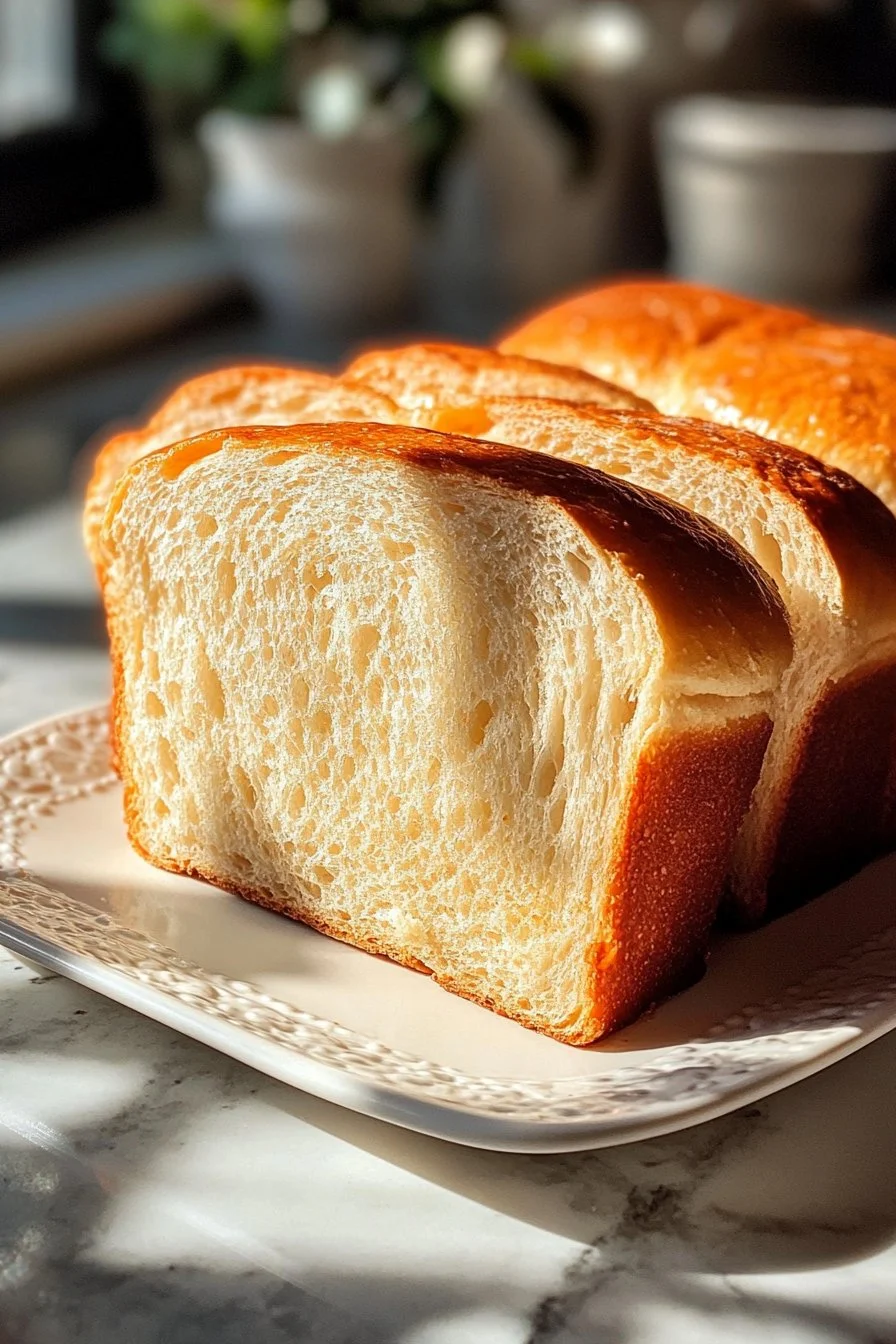
Additionally, consider practicing patience. Allow the bread to cool completely after baking, as this resting time results in better slicing, with less chance of tearing.
Enhancing Your Sandwich Bread Experience
Perfecting results
Perfecting your homemade sandwich bread involves a few adjustments based on personal preference. If you prefer a crustier exterior, consider adding a steam element during baking. Place a pan filled with hot water in the oven alongside your bread.
Alternatively, if a softer crust is desired, brush melted butter over the top before baking. This technique lends a beautiful finish and additional flavor.
Focusing on the rising times can also influence your end product. Warmer climates may require reduced rising times, while cooler environments often demand longer. Trust your instincts and monitor the appearance of the dough.
Troubleshooting/variations
Bread baking can be unpredictable at times, leading to potential issues. If your dough does not rise sufficiently, ensure your yeast is fresh and your water is warm, not hot. Dead yeast will prevent rising.
Conversely, if your bread appears too dense, check the flour measurement and kneading duration. If unsure, don’t hesitate to make a loaf completely from scratch, observing each step to fine-tune your technique.
Consider variations too. By adding herbs, seeds, or even nuts to the dough, you can create exciting flavor profiles that take your homemade sandwich bread to the next level.
Final Touches for Homemade Sandwich Bread
Serving/presentation
The way you serve your homemade sandwich bread can enhance the overall dining experience. Present the loaf on a cutting board alongside a knife for slicing. This setup encourages sharing and conversation.
For a delightful touch, consider serving the bread warm with a selection of spreads, such as butter or flavored oils. If preparing sandwiches, focus on colorful toppings that peek through each slice, adding visual appeal.
Pairings/storage
This homemade sandwich bread pairs beautifully with a variety of dishes. Create hearty sandwiches filled with fresh vegetables, roasted meats, or creamy spreads.
To ensure freshness, store leftover bread in a resealable bag at room temperature or freeze it for longer-lasting quality. Enjoy slices straight from the freezer, toasting them until warm and delicious.
Conclusion
Homemade sandwich bread offers warmth and kindness in each slice. By mastering the recipe and techniques, anyone can create a versatile loaf that satisfies a range of tastes. This process connects memories while nourishing both body and soul. Whether you enjoy it fresh with a meal or transformed into delightful sandwiches, the joy of baking bread invites you to savor each bite. Enjoy the journey, and embrace the love that homemade food brings to your table.
Print
Homemade Sandwich Bread
- Prep Time: 20 minutes
- Cook Time: 30 minutes
- Total Time: 50 minutes
- Yield: 1 loaf
- Category: Bread
- Method: Baking
- Cuisine: American
- Diet: Vegetarian
Description
A simple and comforting homemade sandwich bread recipe that fills your kitchen with warmth and nostalgia.
Ingredients
- 3 cups all-purpose flour
- 1 cup warm water
- 2 tablespoons sugar
- 2 teaspoons salt
- 2 tablespoons butter, melted
- 2 teaspoons active dry yeast
Instructions
- Dissolve the sugar in warm water in a bowl. Sprinkle the active dry yeast over the top and let it sit for about 10 minutes until frothy.
- In a large mixing bowl, combine the flour and salt. Make a well in the center, then add the yeast mixture and melted butter. Mix until a dough forms.
- Knead the dough on a floured surface for about 10 minutes until smooth and elastic.
- Place the dough in a greased bowl, cover with a cloth, and allow it to rise in a warm spot for about an hour, or until doubled in size.
- Punch down the dough to remove excess air, shape into a loaf, and transfer to a greased loaf pan. Cover and let it rise for another 30 minutes.
- Preheat the oven to 375°F (190°C) and bake the bread for 25-30 minutes or until golden brown. Allow it to cool completely before slicing.
Notes
For a crustier loaf, add steam to the oven while baking. Brush melted butter on top for a softer crust.