
📑 Table of Contents ▶
- Plant-Based Vegetable Meatloaf: The Basics
- Fundamentals
- Preparation/Setup
- Directions
- Elevating Your Plant-Based Vegetable Meatloaf
- Technique
- Tips/Tricks
- Perfecting Your Plant-Based Vegetable Meatloaf
- Perfecting Results
- Troubleshooting/Variations
- Serving Your Plant-Based Vegetable Meatloaf
- Serving/Presentation
- Pairings/Storage
- Conclusion
Plant-Based Vegetable Meatloaf with Balsamic Glaze
I’m Della Lucia, and HealthyDinnerMeals was created from my belief that food should nourish both the body and the moments we share. My fondest memories come from simple homemade meals — not perfection, just comfort, connection, and care. Here, healthy eating stays approachable and satisfying, with recipes that fit real life: quick, flavorful, and balanced. Whether you’re cooking for yourself or loved ones, I hope these meals help you feel confident in the kitchen and inspired to enjoy every moment around the table.
Plant-based vegetable meatloaf offers a delightful blend of flavors and textures that make it a comfort food favorite. This recipe highlights cooked lentils and quinoa, transforming them into a hearty loaf that appeals to everyone, whether vegetarian, vegan, or simply seeking healthier options. The addition of sautéed vegetables brings warmth and depth, while the balsamic glaze adds a lovely tang.
Preparing a meatloaf may sound intimidating at first, but the simplicity of this plant-based version makes it approachable. Just gather your ingredients, follow the steps, and you’ll soon have a delicious dish that fills your home with enticing aromas. Embrace the joy of cooking with this nourishing plant-based vegetable meatloaf that’s perfect for family gatherings or quiet evenings at home.
Plant-Based Vegetable Meatloaf: The Basics
Fundamentals
Plant-based vegetable meatloaf stands out as a savory alternative to traditional meatloaf, ensuring everyone at the dinner table enjoys a slice. This recipe nourishes both the body and the spirit, making it ideal for various occasions. Utilizing lentils and quinoa as the primary protein sources adds a hearty texture to the loaf while keeping it nutrient-rich. Not only does this create an exceptional main dish, but it also guarantees a fulfilling meal that leaves you satisfied.
Preparation/Setup
The process begins by gathering all of your ingredients. You’ll need cooked lentils, cooked quinoa, and an array of vegetables that add flavor and nutrition to the mix. It’s crucial to chop the vegetables finely to ensure they combine seamlessly into the loaf. You’ll also need breadcrumbs and a flax egg to bind everything together. Lastly, balsamic vinegar and soy sauce infuse delightful taste into the final dish.
Ingredients
The ingredient list for this plant-based vegetable meatloaf includes:
- 1 cup cooked lentils
- 1 cup cooked quinoa
- 1 onion, chopped
- 2 cloves garlic, minced
- 1 cup grated carrots
- 1 cup chopped mushrooms
- 1 bell pepper, chopped
- 1/2 cup breadcrumbs
- 1/4 cup ground flaxseed mixed with 3/4 cup water (flax egg)
- 1/4 cup balsamic vinegar
- 2 tablespoons soy sauce
- 1 teaspoon dried thyme
- 1 teaspoon dried oregano
- Salt and pepper to taste
Directions
- Preheat your oven to 350°F (175°C).
- In a large skillet, sauté the onion, garlic, carrots, mushrooms, and bell pepper until softened.
- In a large bowl, combine the cooked lentils, quinoa, sautéed vegetables, breadcrumbs, flax egg, balsamic vinegar, soy sauce, thyme, oregano, salt, and pepper. Mix until well combined.
- Transfer the mixture into a loaf pan and shape it into a loaf.
- Bake for 45-50 minutes, or until firm and cooked through.
- Let it cool for a few minutes before slicing. Serve warm with additional balsamic glaze if desired.
Elevating Your Plant-Based Vegetable Meatloaf
Technique
Getting the right texture is essential when creating plant-based vegetable meatloaf. The key lies in how you prepare and combine your ingredients. Cooked lentils and quinoa offer great structure, while breadcrumbs add the necessary binding. Using a flax egg creates a perfect cohesive mixture that holds together during baking.
Experimenting with sautéing techniques can enrich the flavor of your vegetable medley. Searing the onions until they’re caramelized adds a wonderful depth, while lightly cooking the mushrooms enhances their natural umami flavor.
Tips/Tricks
To optimize your plant-based vegetable meatloaf, consider the moisture content of your ingredients. Adding grated or shredded vegetables not only boosts nutrition but also keeps the loaf from becoming dry. If you find the mixture too wet, simply add more breadcrumbs to achieve the desired consistency.
Also, giving the mixture time to rest before transferring it to the loaf pan allows the flavors to meld beautifully. You can also make this dish ahead of time; simply refrigerate it before baking and pop it in the oven when you’re ready to serve.
Perfecting Your Plant-Based Vegetable Meatloaf
Perfecting Results
Ensuring your plant-based vegetable meatloaf reaches its full potential boils down to a few crucial points. First, ensure that all ingredients are well combined. Uneven mixing can lead to uneven cooking and texture issues. Second, monitor the baking time; every oven is unique, so check your loaf’s firmness a few minutes before the suggested cooking time ends.
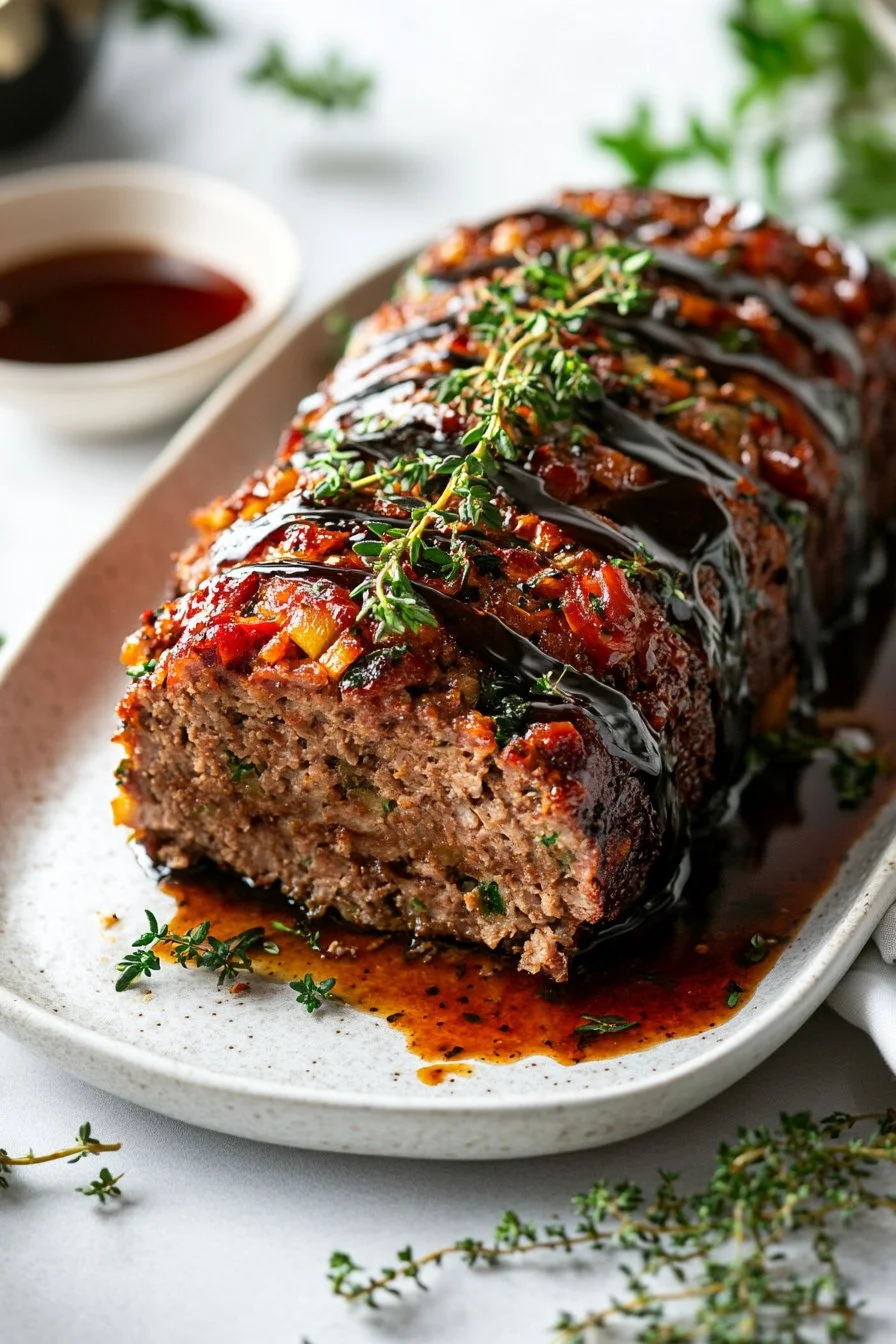
Adding a balsamic glaze towards the end complements the dish significantly. As it bakes, it creates a glossy, flavorful topping that enhances the overall taste. You can achieve this by either brushing some glaze on top during the last 10 minutes of baking or serving it fresh after slicing.
Troubleshooting/Variations
If you encounter issues with your loaf falling apart, consider increasing the amount of flax egg or breadcrumbs. Alternatively, add ingredients like mashed sweet potatoes or cooked beans for extra binding.
Should you prefer a spicier kick, introduce diced jalapeños or a spicy seasoning mix to the vegetable medley. This will bring an exciting twist to the flavor profile and suit various palates.
Serving Your Plant-Based Vegetable Meatloaf
Serving/Presentation
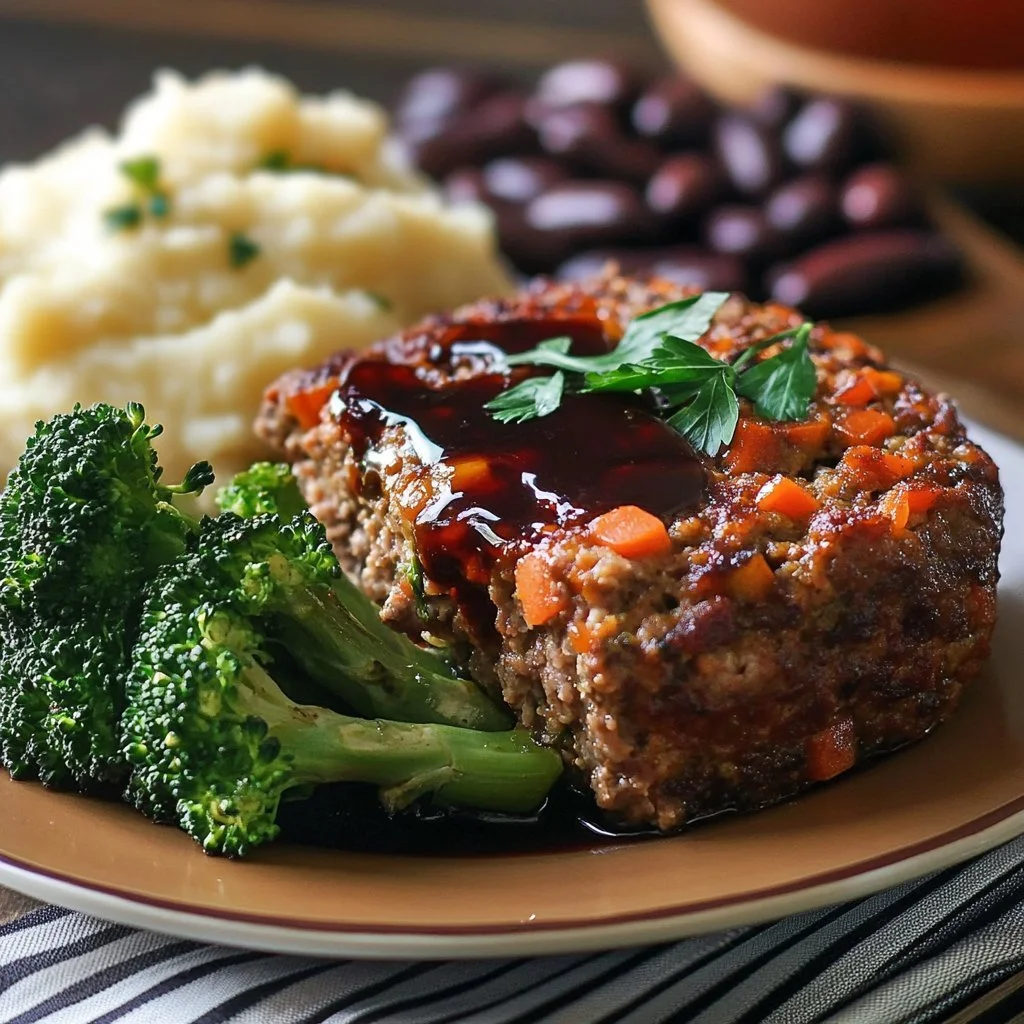
Slice your plant-based vegetable meatloaf into generous portions for serving. Each slice showcases the colorful veggie mix and warm textures, making it visually appealing. Pair the slices on a plate with fresh greens or a simple vegetable side to enhance your meal. A drizzle of balsamic glaze on top adds an appealing shine, elevating the presentation.
Pairings/Storage
This vegetable meatloaf pairs well with numerous side dishes. Consider serving it alongside a fresh salad for a light meal or roasted vegetables for a heartier option.
For storage, keep any leftovers in an airtight container in the refrigerator. Reheating in the oven or microwave brings back the loaf’s delicious flavors while keeping it moist.
Conclusion
Plant-based vegetable meatloaf stands as a nutritional powerhouse that combines delicious flavors and satisfying textures. With the perfect balance of ingredients and approachable preparation methods, this recipe helps foster enjoyable connections around the dinner table. Feel confident in your kitchen as you explore the comforting and nutritious world of plant-based cooking. Start celebrating meals that not only satisfy but also nourish the moments you share with loved ones.
Print
Plant-Based Vegetable Meatloaf with Balsamic Glaze
- Prep Time: 15 minutes
- Cook Time: 50 minutes
- Total Time: 65 minutes
- Yield: 6 servings
- Category: Main Course
- Method: Baking
- Cuisine: Vegan
- Diet: Vegan
Description
A hearty and comforting plant-based vegetable meatloaf featuring lentils, quinoa, and sautéed vegetables with a tangy balsamic glaze.
Ingredients
- 1 cup cooked lentils
- 1 cup cooked quinoa
- 1 onion, chopped
- 2 cloves garlic, minced
- 1 cup grated carrots
- 1 cup chopped mushrooms
- 1 bell pepper, chopped
- 1/2 cup breadcrumbs
- 1/4 cup ground flaxseed mixed with 3/4 cup water (flax egg)
- 1/4 cup balsamic vinegar
- 2 tablespoons soy sauce
- 1 teaspoon dried thyme
- 1 teaspoon dried oregano
- Salt and pepper to taste
Instructions
- Preheat your oven to 350°F (175°C).
- In a large skillet, sauté the onion, garlic, carrots, mushrooms, and bell pepper until softened.
- In a large bowl, combine the cooked lentils, quinoa, sautéed vegetables, breadcrumbs, flax egg, balsamic vinegar, soy sauce, thyme, oregano, salt, and pepper. Mix until well combined.
- Transfer the mixture into a loaf pan and shape it into a loaf.
- Bake for 45-50 minutes, or until firm and cooked through.
- Let it cool for a few minutes before slicing. Serve warm with additional balsamic glaze if desired.
Notes
Consider adding grated or shredded vegetables to boost moisture and nutrition. Let the mixture rest before baking for better flavor melding.