
📑 Table of Contents ▶
Easy Sourdough Sandwich Bread (Super Soft)
I’m Della Lucia, and HealthyDinnerMeals was created from my belief that food should nourish both the body and the moments we share. My fondest memories come from simple homemade meals — not perfection, just comfort, connection, and care. Here, healthy eating stays approachable and satisfying, with recipes that fit real life: quick, flavorful, and balanced. Whether you’re cooking for yourself or loved ones, I hope these meals help you feel confident in the kitchen and inspired to enjoy every moment around the table.
Baking bread always brings people together. The scent of freshly baked sourdough sandwich bread wafting through the house creates an inviting atmosphere. People flock to the kitchen, eager for a slice of warm, soft bread. With just a few simple ingredients, you can create a delightful loaf right at home.
This easy sourdough sandwich bread recipe promises that perfect balance of softness and flavor. There’s something special about the rise and development of flavor that occurs when baking with a sourdough starter. As you knead the dough and watch it rise, the process becomes a labor of love, resulting in a comforting centerpiece for any table.
Sourdough bread is more than a meal; it’s a bonding experience. Every slice evokes memories and beckons creativity as you explore various toppings. This recipe allows you to cultivate your culinary skills while enjoying every moment of the process.
Easy Sourdough Sandwich Bread
Fundamentals
Understanding the basics of sourdough bread prepares you for a successful baking experience. Sourdough relies on natural fermentation, using a sourdough starter instead of commercial yeast. This method enhances flavor and texture, resulting in a loaf that is both delicious and nutritious.
The fermentation process develops the gluten structure in the dough, giving it that wonderful chewy texture. It’s essential to be patient as the dough rises and transforms. Each step, from mixing to kneading, contributes to the final outcome of your sourdough sandwich bread.
Preparation/setup
Preparation begins well before you ever turn on your oven. Assemble your ingredients: active sourdough starter, lukewarm water, salt, sugar, oil, bread flour, and all-purpose flour. Ensure your sourdough starter is active and bubbly; this will give your bread the rise and tang it needs.
You’ll need a large mixing bowl, a floured surface for kneading, and a loaf pan for baking. As you gather these tools, the excitement of creating something magical begins.
Ingredients
The following ingredients make for a fantastic loaf of sourdough sandwich bread:
- 65 grams active sourdough starter
- 300 grams lukewarm water
- 12 grams salt (2 teaspoons)
- 14 grams sugar
- 15 grams oil (avocado or olive)
- 400 grams bread flour
- 100 grams all-purpose flour
Directions
- Start by mixing the active sourdough starter with lukewarm water in a large bowl.
- Gradually add the bread flour and all-purpose flour, mixing until no dry bits remain.
- Add salt, sugar, and oil. Mix until fully incorporated and a sticky dough forms.
- Knead the dough for about 10 minutes on a floured surface until smooth and elastic.
- Place the dough into a lightly oiled bowl, cover it, and let it rise until doubled in size, about 2-3 hours.
- Once the dough has risen, gently punch it down to release excess gas, then shape it into a loaf.
- Place the shaped dough into a greased loaf pan, cover, and allow it to rise again for about 1-2 hours.
- Preheat your oven to 425°F (220°C).
- Bake for 30-35 minutes or until golden brown, and the bread sounds hollow when tapped.
- Remove from the oven, let it cool in the pan for 10 minutes, and then transfer it to a wire rack to cool completely.
Tips for Success with Sourdough Bread
Technique
Mastering specific techniques enhances the quality of your sourdough sandwich bread. Kneading is vital for developing gluten. Use a consistent method, ensuring you stretch and fold the dough until it becomes smooth. This key step creates the desired elasticity, which is essential for trapping air during fermentation.
Pay attention to the temperatures of both your ingredients and environment. If your kitchen is too cold, consider placing your dough in a warm area to encourage rising. Likewise, lukewarm water activates the sourdough starter effectively.
Tips/tricks
Experimentation often leads to the best results. If you prefer a particularly soft texture, allow for longer rising times. Monitoring the dough’s size is more important than adhering strictly to time constraints.
Additionally, adjusting the oven temperature slightly or using a steam tray can create a crust with the perfect crunch. Always let the bread cool completely before slicing to maintain structure.
Fine-Tuning Your Sourdough
Perfecting results
Every bake is a learning opportunity. Keep notes on your methods, adjusting variables as needed. If your bread is overly dense, try increasing the hydration by adding more water. A high-hydration dough often yields lighter, airier loaves.
Flavor plays a significant role too. Allowing the dough to ferment longer can increase the sourness, giving each bite delicious complexity. Taste-testing throughout the fermentation process can help you dial in your preferred flavor profile.
Troubleshooting/variations
If your sourdough doesn’t rise well, consider checking the health of your sourdough starter. An inactive starter means less rising power. Try feeding it with flour and water 6 to 12 hours before baking to revitalize it.
Feel free to customize the recipe for different flours or additional ingredients, like seeds or grains for added texture. Each variation offers a new experience and adventure in the world of sourdough.
Serving and Enjoying Sourdough Bread
Serving/presentation
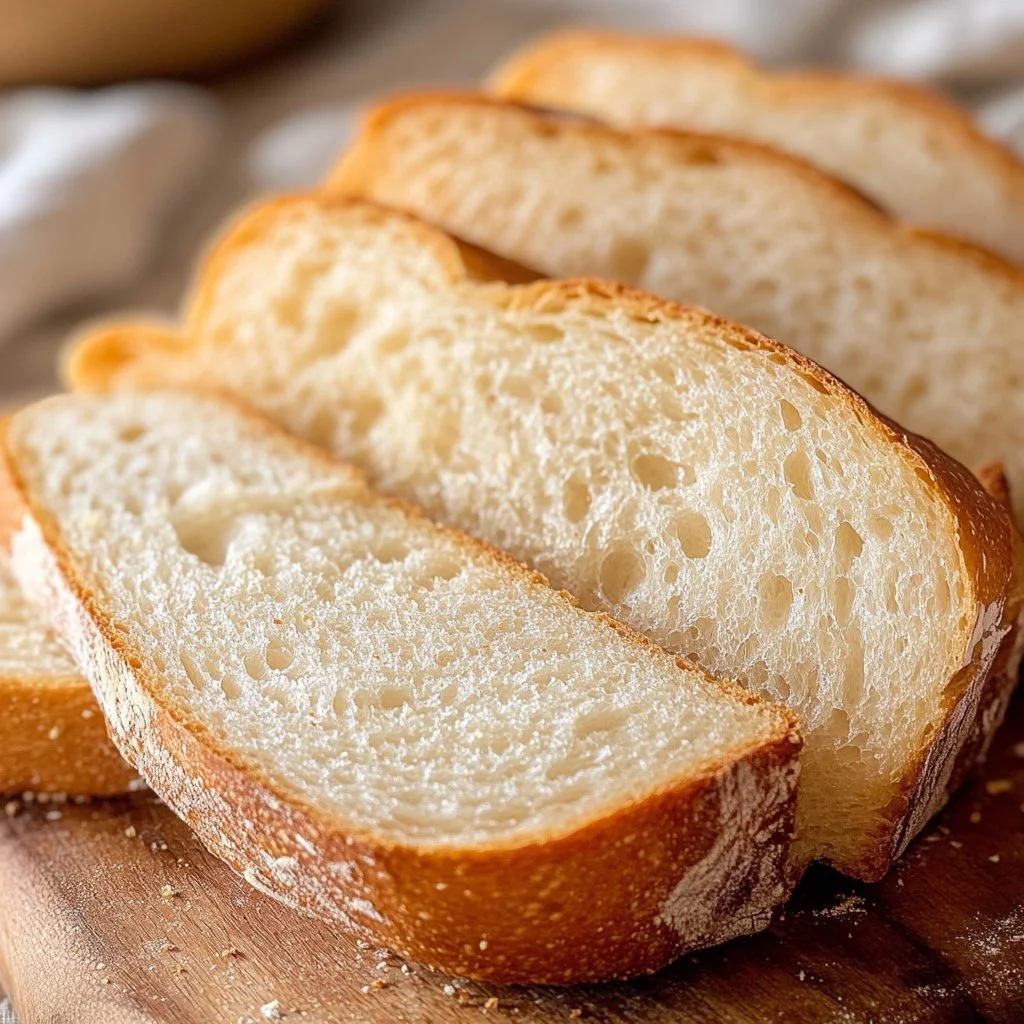
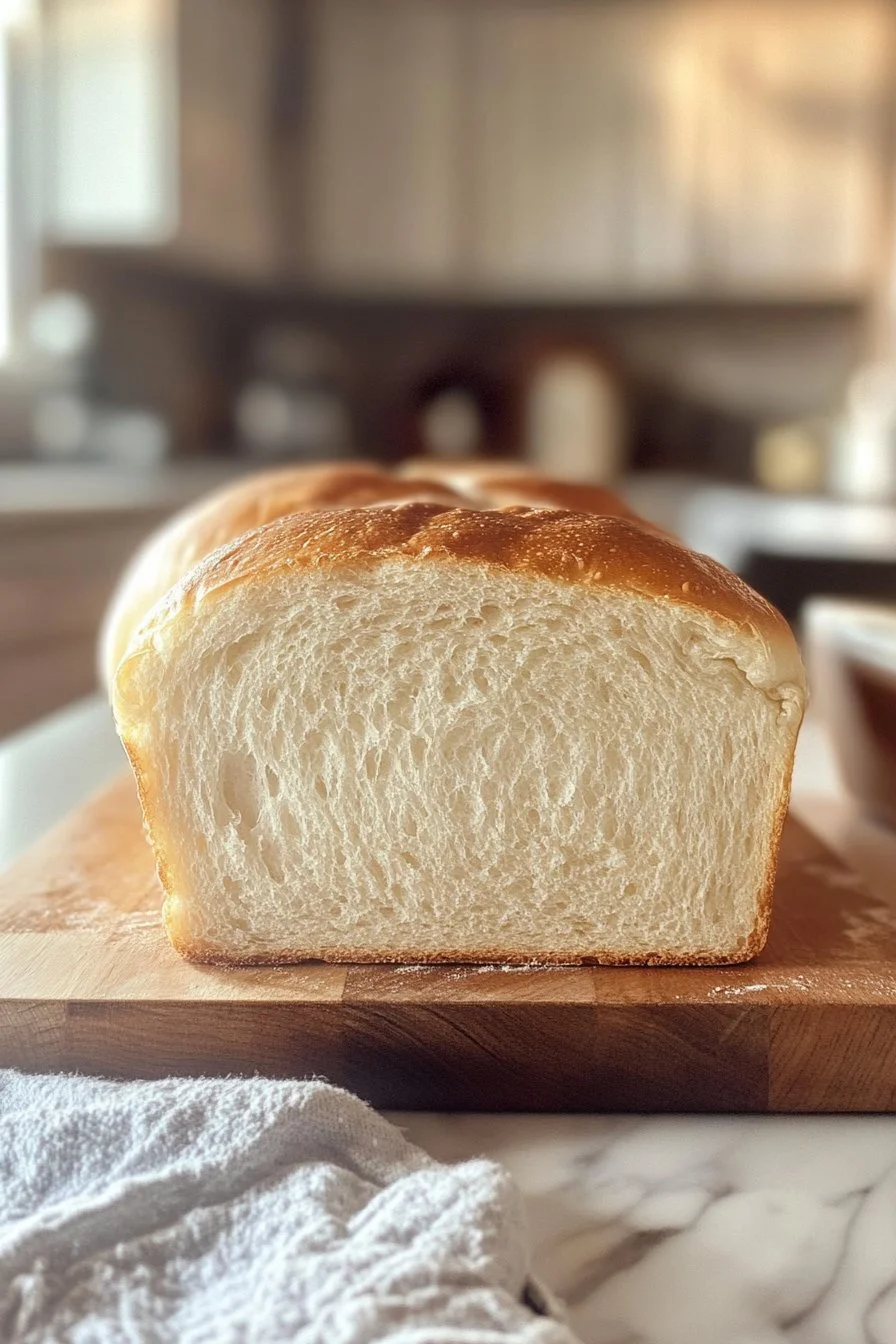
Serve your sourdough sandwich bread freshly sliced, warm from the oven. Its golden crust and tender interior are simply irresistible. Consider presenting it with various toppings, such as avocado, hummus, or your favorite spreads.
For an enticing aroma at your next gathering, slice the bread and serve alongside a platter of toppings, allowing guests to create their unique sandwiches. This interactive experience adds an element of fun to your meals.
Pairings/storage
This sourdough bread pairs beautifully with a variety of meals. Enjoy it alongside soups, salads, or as the base for delicious sandwiches. The soft texture and robust flavor complement countless ingredients.
Store your sourdough sandwich bread at room temperature in a paper bag for best preservation. If you need to keep it longer, freeze slices in an airtight container. Toasting from frozen ensures a fresh taste.
Conclusion
Baking easy sourdough sandwich bread fills your home with warmth and love. Each loaf symbolizes not just a meal, but moments shared and memories created. As you develop your skills in the kitchen, embrace the journey and enjoy the simple joy of baking. With patience and practice, the delightful aroma of freshly baked bread quickly becomes a cherished staple in your home.
Print
Easy Sourdough Sandwich Bread (Super Soft)
- Prep Time: 15 minutes
- Cook Time: 35 minutes
- Total Time: 180 minutes
- Yield: 1 loaf
- Category: Bread
- Method: Baking
- Cuisine: American
- Diet: Vegetarian
Description
A delightful sourdough sandwich bread recipe that creates a soft and flavorful loaf perfect for any table.
Ingredients
- 65 grams active sourdough starter
- 300 grams lukewarm water
- 12 grams salt (2 teaspoons)
- 14 grams sugar
- 15 grams oil (avocado or olive)
- 400 grams bread flour
- 100 grams all-purpose flour
Instructions
- Mix the active sourdough starter with lukewarm water in a large bowl.
- Gradually add the bread flour and all-purpose flour, mixing until no dry bits remain.
- Add salt, sugar, and oil. Mix until fully incorporated and a sticky dough forms.
- Knead the dough for about 10 minutes on a floured surface until smooth and elastic.
- Place the dough into a lightly oiled bowl, cover it, and let it rise until doubled in size, about 120-180 minutes.
- Once the dough has risen, gently punch it down to release excess gas, then shape it into a loaf.
- Place the shaped dough into a greased loaf pan, cover, and allow it to rise again for about 60-120 minutes.
- Preheat your oven to 425°F (220°C).
- Bake for 30-35 minutes or until golden brown, and the bread sounds hollow when tapped.
- Remove from the oven, let it cool in the pan for 10 minutes, and then transfer it to a wire rack to cool completely.
Notes
Experiment with longer rising times for a softer texture and customize with different flours or ingredients for unique flavors.