
📑 Table of Contents ▶
Biko
I’m Della Lucia, and HealthyDinnerMeals was created from my belief that food should nourish both the body and the moments we share. My fondest memories come from simple homemade meals — not perfection, just comfort, connection, and care. Here, healthy eating stays approachable and satisfying, with recipes that fit real life: quick, flavorful, and balanced. Whether you’re cooking for yourself or loved ones, I hope these meals help you feel confident in the kitchen and inspired to enjoy every moment around the table.
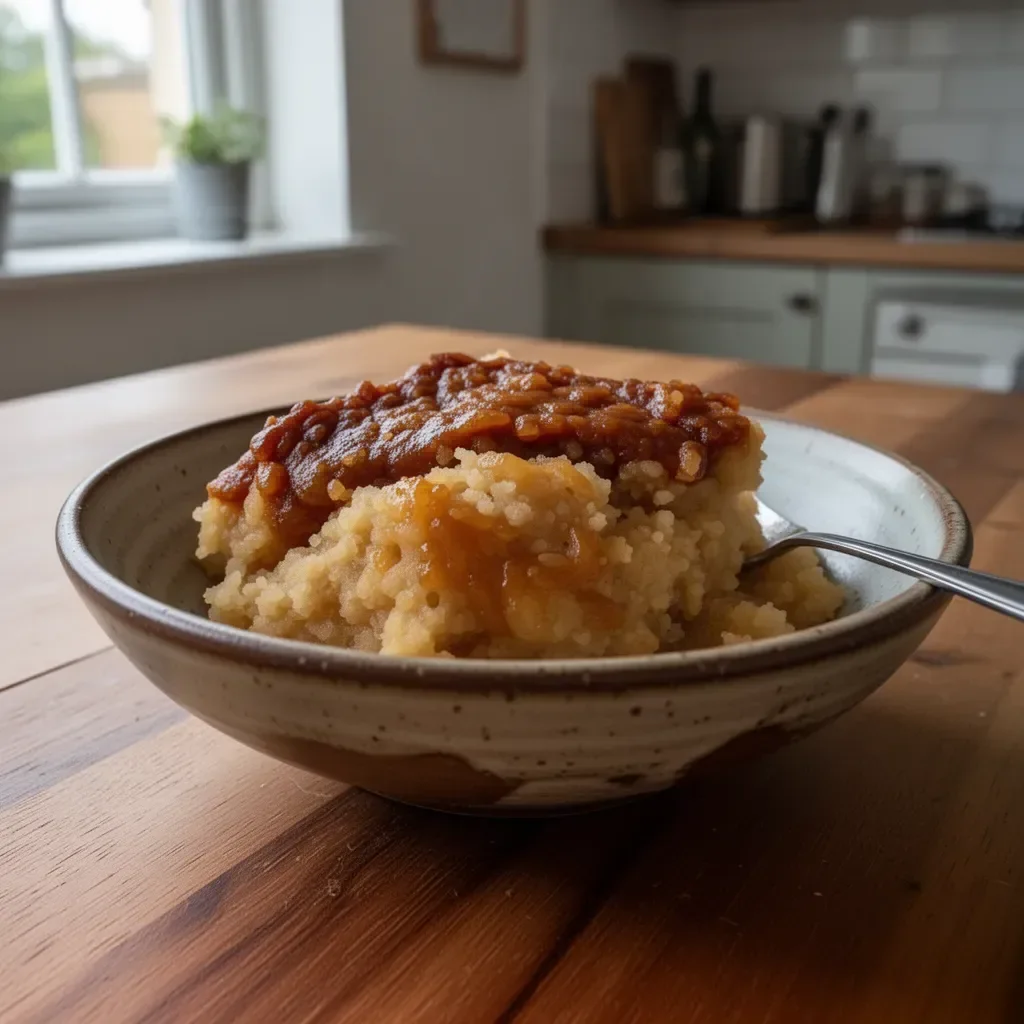
One of my earliest memories involves preparing Biko, a traditional Filipino dessert made primarily from glutinous rice. The process of soaking the rice and simmering it with coconut milk felt like a form of alchemy. It transformed humble ingredients into a sweet, sticky treat that brought warmth to family gatherings. The comforting aroma of coconut blended with the rich sweetness of brown sugar fills my mind with nostalgia, reminding me of shared laughter and the joy of cooking together.
The beauty of Biko lies in its simplicity. Using just a few essential ingredients, you can create something truly special. This recipe brings a piece of my childhood into your kitchen. It offers an invitation to bond over cooking and create your own cherished memories. We’ll explore the fundamentals, techniques, and perfecting tips that will make your Biko experience delightful.
Understanding Biko
Fundamentals
Biko is a beloved Filipino delicacy cherished for its unique flavor and sticky texture. The dish is comforting, and its sweetness makes it a fitting dessert for various occasions. To create the perfect Biko, understanding the ingredients and their roles is essential.
Glutinous rice serves as the foundation. This special type of rice provides the necessary stickiness and chewiness, creating the beloved texture of Biko. Coconut milk adds a rich, creamy flavor, while brown sugar contributes sweetness and depth to the dish. Even a hint of salt helps balance the flavors beautifully.
Preparation/Setup
Preparing Biko involves a few straightforward steps that ensure success. The first task requires rinsing and soaking the glutinous rice. This crucial step removes excess starch, leading to the right texture. After soaking for at least two hours, draining the rice sets the stage for cooking.
Next, certain kitchen tools become essential. A heavy-bottomed pot prevents scorching, ensuring that the rice cooks evenly. If you choose to use banana leaves, they provide an excellent natural liner for the dish, adding a hint of fragrance as well as an authentic touch.
Ingredients
Gather these simple ingredients to create Biko:
- 2 cups glutinous rice
- 2 cups coconut milk
- 1 cup brown sugar
- 1/2 teaspoon salt
- 1 cup water
- Banana leaves (optional, for lining)
Directions
- Rinse the glutinous rice under cold water until the water runs clear. Soak the rice in water for at least 2 hours, then drain.
- In a pot, combine the drained rice and coconut milk. Add the water and cook over medium heat, stirring occasionally, until the rice is cooked and the mixture is thickened (about 30-40 minutes).
- Once the rice is cooked, add the brown sugar and salt, mixing well until fully incorporated.
- If using, line a baking dish with banana leaves. Pour the mixture into the dish and spread it evenly.
- Allow it to cool and set before cutting into squares or rectangles.
- Serve and enjoy your homemade Biko!
Exploring the Technique Behind Biko
Technique
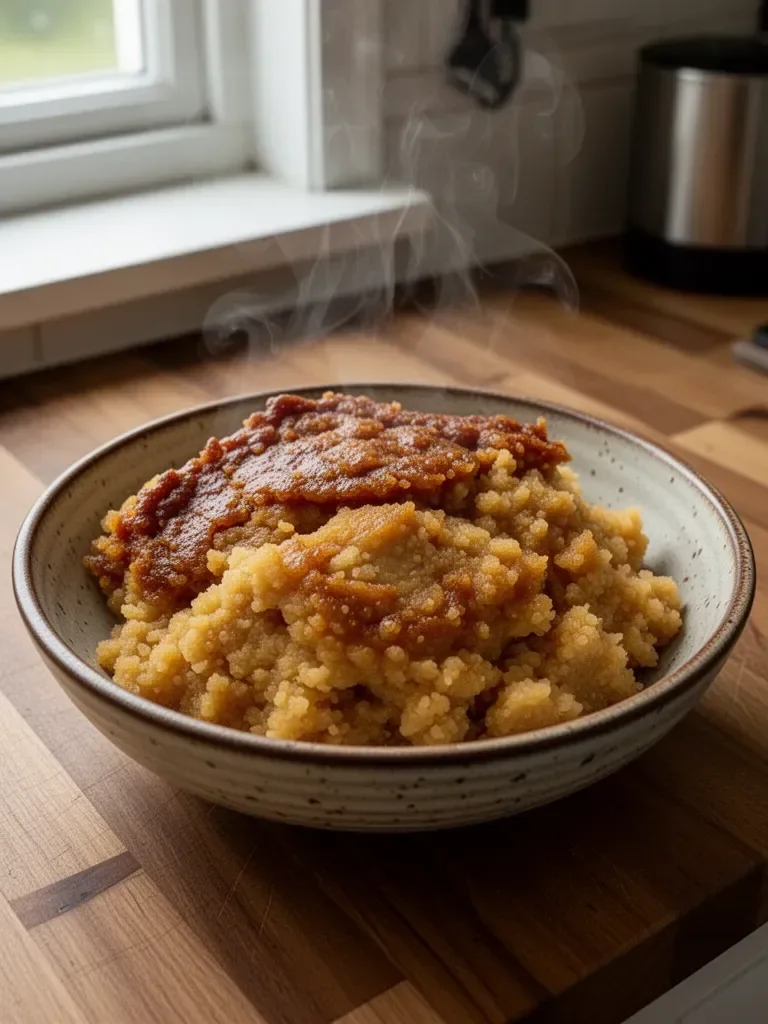
Perfecting Biko requires paying attention to cooking techniques. The key is to maintain a gentle heat while stirring frequently. This method prevents the rice from sticking to the bottom of the pot and encourages even cooking. Once the rice absorbs the coconut milk, it transforms into a delightful, creamy mixture.
Using a nonstick pot can also aid in preventing any sticking, making your cooking experience smoother. The incorporation of brown sugar should happen at just the right moment, as adding it too soon might cause the mixture to thicken too quickly.
Tips and Tricks
- Use fresh coconut milk for a richer flavor.
- Allow the soaked rice to air dry slightly before cooking. This step helps achieve better texture.
- If you prefer a more pronounced coconut flavor, increase the coconut milk slightly, ensuring a balance with the other ingredients.
- For added texture, consider mixing in some toasted coconut flakes before setting the mixture in your baking dish.
Perfecting Your Biko Experience
Perfecting Results
To achieve a silky, smooth Biko, patience during cooking is vital. Cooking the mixture should be moderate and gradual. If it seems too thick while cooking, simply add a splash of water until you reach the desired consistency.
Cooling the finished Biko adequately before cutting allows it to set, providing neat squares or rectangles for serving. This distinct presentation transforms your dessert into an impressive treat for any occasion.
Troubleshooting and Variations
If your Biko turns out too dry, it may require additional coconut milk or water during cooking. Make sure to stir continuously to maintain its creamy texture. If you find your dessert undercooked, adjusting the cooking time slightly can solve the issue—just keep an eye on the mixture.
Variations can bring a new twist on this classic dish. Consider incorporating flavors like pandan or a swirl of ube for an exciting twist on the traditional Biko.
Serving and Storing Biko
Serving and Presentation
Biko shines when presented beautifully. If using banana leaves, it adds an eye-catching element to your dish. Cut the Biko into squares and arrange them on a platter, garnished with a sprinkle of toasted coconut for a delightful touch. This simple presentation enhances the overall experience of enjoying Biko.
Pairings and Storage
Biko pairs beautifully with fresh fruits like mango or papaya, offering a refreshing balance to the dessert’s richness. Serve alongside a cup of warm coconut tea for a soothing experience.
For storage, keep Biko covered in an airtight container in the refrigerator for up to a week. Reheat in the microwave for a few seconds before enjoying again, helping to revive the dish’s soft, sticky texture.
Conclusion
Biko encapsulates the essence of comfort food through its simplicity and rich flavor. Every bite delivers a taste of tradition, making it an ideal treat for gatherings or solo enjoyment. Embracing the art of creating Biko can transform your cooking experience, allowing cherished memories to unfold in your kitchen. Sharing each square of this delightful dessert invites warmth, connection, and joy to the table.
Print
Biko
- Prep Time: 120 minutes
- Cook Time: 40 minutes
- Total Time: 160 minutes
- Yield: 8 servings
- Category: Dessert
- Method: Stovetop
- Cuisine: Filipino
- Diet: Vegetarian
Description
Biko is a traditional Filipino dessert made with glutinous rice, coconut milk, and brown sugar, offering a sweet, sticky treat perfect for any occasion.
Ingredients
- 2 cups glutinous rice
- 2 cups coconut milk
- 1 cup brown sugar
- 1/2 teaspoon salt
- 1 cup water
- Banana leaves (optional, for lining)
Instructions
- Rinse the glutinous rice under cold water until the water runs clear. Soak the rice in water for at least 2 hours, then drain.
- Combine the drained rice and coconut milk in a pot. Add the water and cook over medium heat, stirring occasionally, until the rice is cooked and the mixture is thickened (about 30-40 minutes).
- Add the brown sugar and salt, mixing well until fully incorporated.
- If using, line a baking dish with banana leaves. Pour the mixture into the dish and spread it evenly.
- Allow it to cool and set before cutting into squares or rectangles.
- Serve and enjoy your homemade Biko!
Notes
Use fresh coconut milk for a richer flavor. If Biko turns out too dry, add additional coconut milk or water during cooking. Pair with fresh fruits like mango or papaya.