
📑 Table of Contents ▶
How To Make Mayonnaise
I’m Della Lucia, and HealthyDinnerMeals was created from my belief that food should nourish both the body and the moments we share. My fondest memories come from simple homemade meals — not perfection, just comfort, connection, and care. Here, healthy eating stays approachable and satisfying, with recipes that fit real life: quick, flavorful, and balanced. Whether you’re cooking for yourself or loved ones, I hope these meals help you feel confident in the kitchen and inspired to enjoy every moment around the table.
Mayonnaise often plays a pivotal role in many popular recipes. For years, I’ve relied on it to elevate my homemade dishes, from sandwiches to salads. Preparing fresh mayonnaise has become a delightful process that sparks fond memories. Each time I whip up a homemade batch, I recall the laughter shared and simple moments spent in the kitchen. The creamy texture and tangy flavor add a wonderful depth to so many meals.
With just a few basic ingredients, you can create fresh and delicious mayonnaise in your own kitchen. Not only does it evoke nostalgia, but it also serves as a healthier alternative to store-bought versions. Making this classic condiment serves as a reminder that cooking at home allows us to control flavors, ingredients, and, most importantly, our health. Embrace the opportunity to craft your very own mayonnaise and relish in the joy it brings to your culinary creations.
How to Make Mayonnaise
Fundamentals
Understanding the fundamentals of making mayonnaise goes a long way in achieving that perfect creamy texture. Mayonnaise forms through an emulsion process. This occurs when two ingredients that typically do not mix, like oil and water, combine into a unified blend. The egg acts as the emulsifier, creating the smooth and luscious texture you seek.
Use fresh ingredients whenever possible to ensure your mayonnaise reaches its full flavor potential. Fresh eggs, high-quality mustard, and the right type of oil can make a significant difference. Choosing the right tools, such as an immersion blender or whisk, can also impact the ease and efficiency of the process.
With a few simple steps, you can create your own mayonnaise, unlocking endless culinary possibilities. Now, let’s dive into how you can effectively set up for this delicious endeavor.
Preparation/setup
To get started, gather all your ingredients and tools. Having everything at your fingertips will make the process smoother. The key ingredients here include a whole egg, prepared yellow mustard, sea salt, granulated cane sugar, lemon juice, white distilled vinegar, and sunflower oil.
Ensure that you have a mixing bowl and a whisk or immersion blender on hand. An immersion blender is particularly helpful as it allows for easy emulsification. If you’re using a whisk, be prepared for some manual effort, but it’s entirely doable!
Make sure your ingredients are at room temperature, which aids in proper emulsification. Once everything is ready, you can jump right into the making process.
Ingredients
- 1 whole egg
- 1 Tbsp prepared yellow mustard
- 1 tsp sea salt
- 1 tsp granulated cane sugar
- 2 tsp lemon juice
- 2 Tbsp white distilled vinegar
- 1 ¼ cup sunflower oil
Directions
- In a mixing bowl, combine the whole egg, prepared yellow mustard, sea salt, granulated cane sugar, lemon juice, and white distilled vinegar.
- Using a whisk or immersion blender, blend the mixture until it’s smooth and combined.
- With the blender running, slowly drizzle in the sunflower oil. Keep mixing until the mayonnaise thickens to your desired consistency. If your mayonnaise doesn’t thicken, slowly add another egg yolk or some mustard to help re-emulsify the mixture.
Crafting the Perfect Mayonnaise
Technique
Successfully making mayonnaise hinges on mastering the technique. Begin by introducing the egg and mustard to the mixing bowl. Blend those together thoroughly, incorporating the salt, sugar, lemon juice, and vinegar for flavor.
The real magic occurs when you introduce the sunflower oil. Pour it in a steady, thin stream while continuously blending the mixture. This technique ensures the oil incorporates smoothly into the eggs and mustard, creating that luscious emulsion signature of mayonnaise.
Practice makes perfect; if your first attempt doesn’t turn out quite right, don’t be discouraged. Making adjustments and refining your technique will lead to stellar results over time.
Tips/tricks
- Ensure your ingredients are at room temperature to allow for better emulsification.
- Use a high-quality sunflower oil for the best flavor and consistency.
- Experiment with different types of mustard to add variety to your mayonnaise.
- If your mayonnaise becomes too thick, simply blend in a small amount of warm water to loosen it up.
Perfecting Your Homemade Mayonnaise
Perfecting results
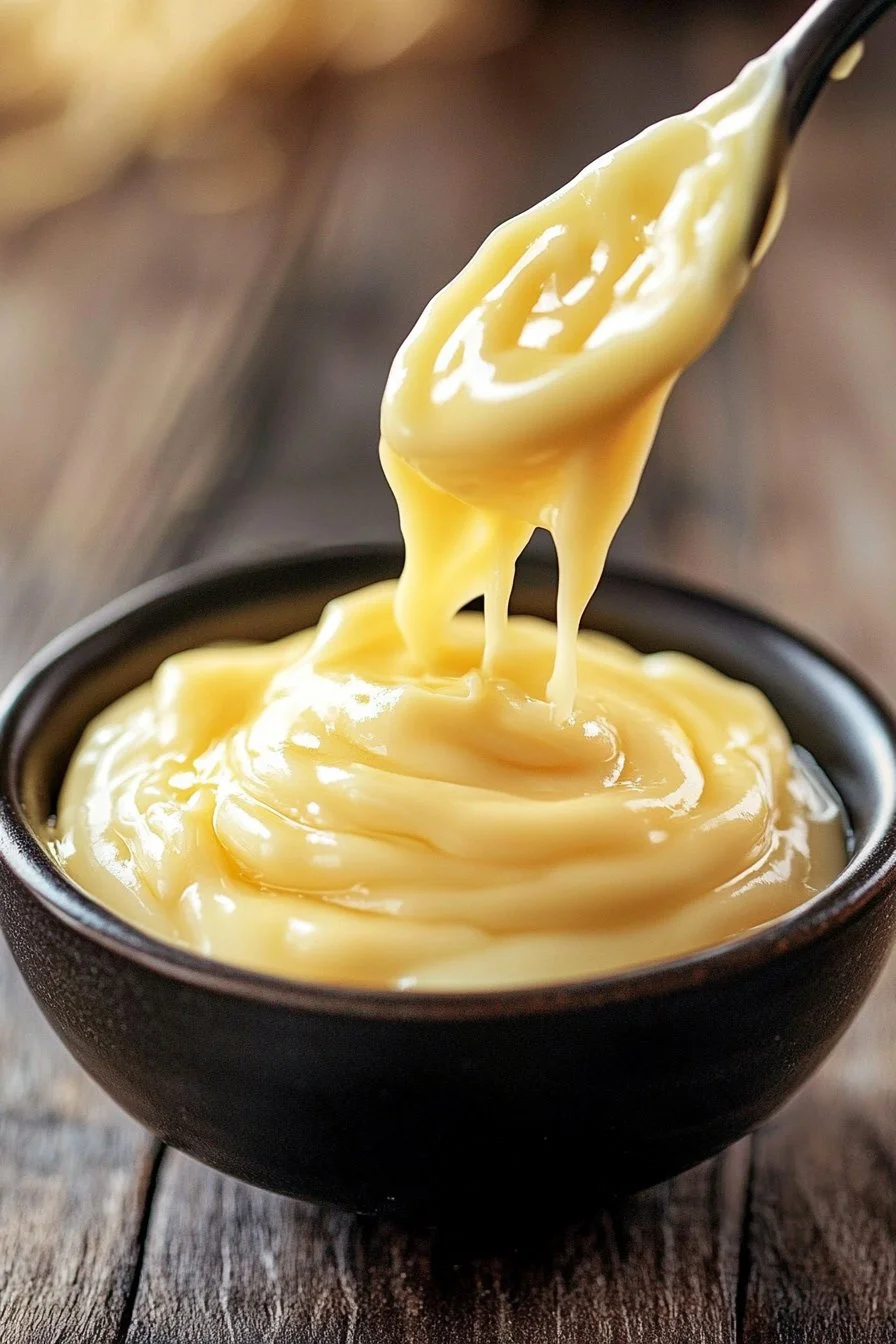
Achieving your desired mayonnaise consistency might take a few tries. Mayonnaise should be thick yet spreadable. A common challenge is creating that perfect emulsion, so take your time and follow the steps carefully.
If your mayonnaise doesn’t thicken immediately, don’t worry. Just add a little extra oil gradually while blending until you reach your goal. The process is forgiving, allowing you to learn and develop your skills with each batch you make.
Troubleshooting/variations
If your mayonnaise separates, it likely means that the emulsion didn’t hold. To salvage it, try adding a fresh egg yolk to the mixture and whisk again. Another option is to create a new emulsion in a separate bowl, adding the broken mayonnaise gradually until it blends back together.
Don’t be afraid to experiment with your mayonnaise. Add herbs, garlic, or spices to create exciting variations that suit your palate. You can even adjust the acidity by tinkering with lemon juice or vinegar proportions.
Serving Mayonnaise
Serving/presentation
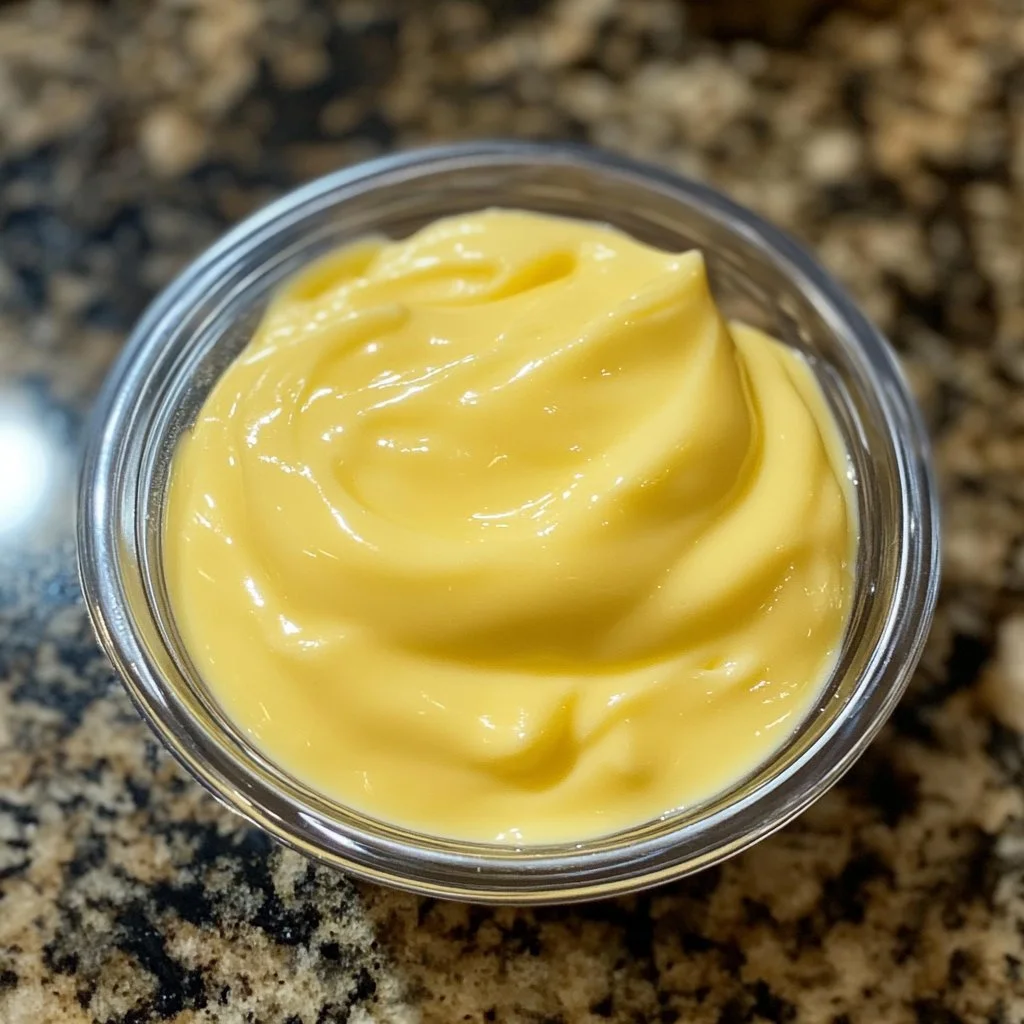
Once your homemade mayonnaise is ready, consider how you’ll serve it. Use a stylish bowl to display it at gatherings or as part of your meal presentation. Homemade mayonnaise shines as a dip, sandwich spread, or dressing.
Pair it with fresh vegetables, grilled meats, or use it as a base for flavorful sauces. The creamy richness complements a range of dishes beautifully.
Pairings/storage
Store your homemade mayonnaise in a clean, airtight container. It keeps best in the refrigerator. Enjoy it within a week for optimal freshness. If you have uses in mind, consider making smaller portions to prevent waste.
Use homemade mayonnaise in salads, as a creamy dressing, or alongside grilled vegetables. The versatility of this condiment makes it a staple you’ll love to have on hand.
Conclusion
Creating homemade mayonnaise is a fulfilling experience, allowing for control of flavor and ingredients while relishing in the simplicity of cooking. Embrace the process and enjoy the rich flavor it brings to your meals. Each batch allows for creativity and personal touches, making your culinary journey even more enjoyable. From decadent sandwiches to vibrant salads, your homemade mayonnaise will elevate every dish it accompanies.
Print
Homemade Mayonnaise
- Prep Time: 10 minutes
- Cook Time: 0 minutes
- Total Time: 10 minutes
- Yield: 1 cup
- Category: Condiment
- Method: Mixing
- Cuisine: American
- Diet: Vegetarian
Description
Learn how to make fresh and homemade mayonnaise with simple ingredients and techniques.
Ingredients
- 1 whole egg
- 1 Tbsp prepared yellow mustard
- 1 tsp sea salt
- 1 tsp granulated cane sugar
- 2 tsp lemon juice
- 2 Tbsp white distilled vinegar
- 1 ¼ cups sunflower oil
Instructions
- In a mixing bowl, combine the whole egg, prepared yellow mustard, sea salt, granulated cane sugar, lemon juice, and white distilled vinegar.
- Using a whisk or immersion blender, blend the mixture until it’s smooth and combined.
- With the blender running, slowly drizzle in the sunflower oil. Keep mixing until the mayonnaise thickens to your desired consistency.
- If your mayonnaise doesn’t thicken, slowly add another egg yolk or some mustard to help re-emulsify the mixture.
Notes
Ensure ingredients are at room temperature for better emulsification. Experiment with different mustards and add herbs or spices for variation.