
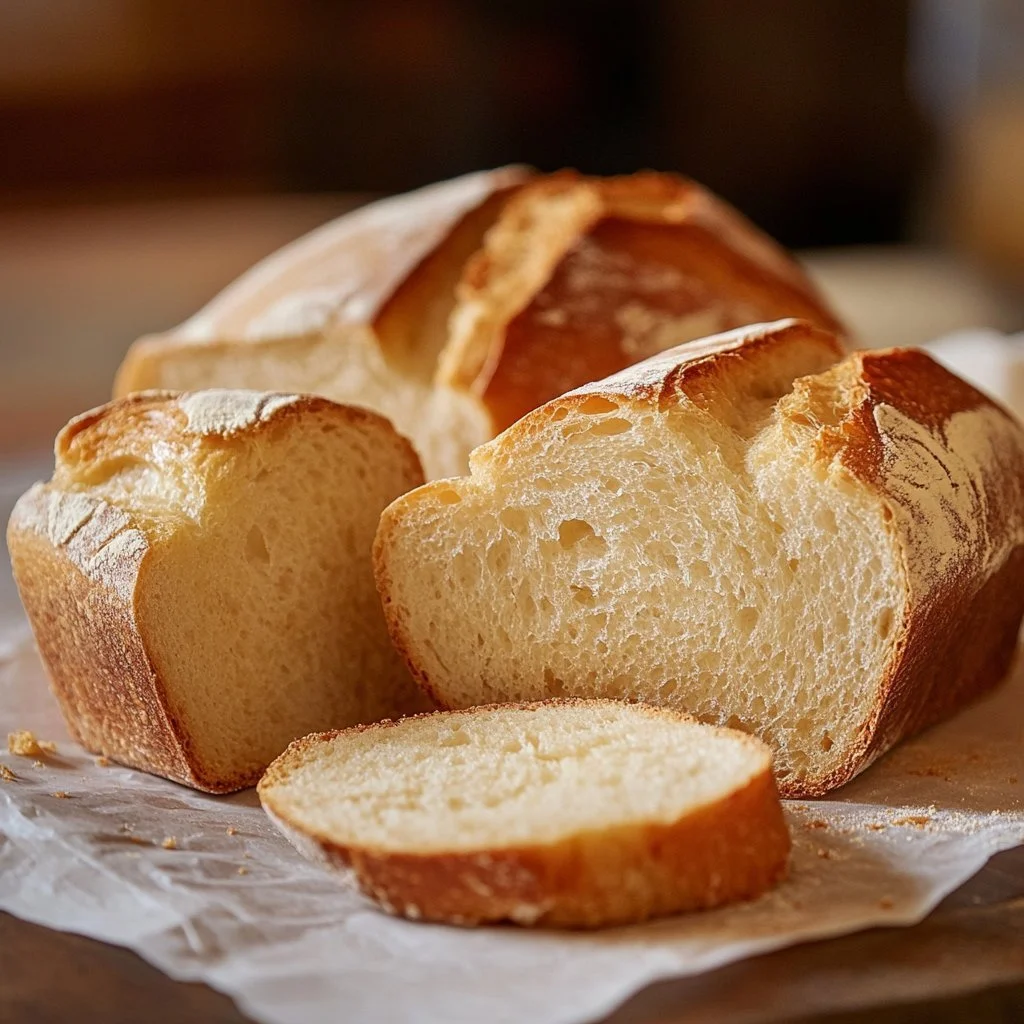
📑 Table of Contents ▶
Easy Sourdough Sandwich Bread
I’m Della Lucia, and HealthyDinnerMeals was created from my belief that food should nourish both the body and the moments we share. My fondest memories come from simple homemade meals—not perfection, just comfort, connection, and care. Here, healthy eating stays approachable and satisfying, with recipes that fit real life: quick, flavorful, and balanced. Whether you’re cooking for yourself or loved ones, I hope these meals help you feel confident in the kitchen and inspired to enjoy every moment around the table.
Baking bread has a unique way of creating memories. The thick, warm scent of freshly baked sourdough bread envelops the home, making everyone feel at ease. I recall pulling my first loaf from the oven, eagerly awaiting the first slice. The crust crackled as I cut through it, revealing the soft, pillowy center. With a slice of butter melting into it, memories of laughter and shared meals filled my mind.
Easy sourdough sandwich bread stands as a staple in many households, offering both flavor and versatility. This bread is not just a vehicle for your favorite spreads; it truly enhances every bite. With its lovely crust and soft crumb, it brings a warmth to each meal, encouraging us to gather and enjoy.
Sourdough sandwich bread is an inspiring recipe to try at home. Not only is it simple to make, but it carries a touch of artistry that comes with baking. Let’s dive into preparing this heartfelt loaf wherever your journey in making memories leads.
Easy Sourdough Sandwich Bread
Fundamentals
Sourdough is a unique bread because of its use of a naturally fermented starter, giving it a distinct flavor and texture. Understanding the fundamentals can enhance your baking experience, making it both enjoyable and rewarding.
The sourdough starter is crucial for this recipe. It’s not just a mixture of flour and water; it’s a vibrant culture of wild yeast and bacteria that bring life to your bread. A thriving starter develops flavor and enhances the dough’s structure, enabling it to rise beautifully. Therefore, feeding your sourdough starter a few hours before beginning this recipe ensures you achieve the best results.
Your success also lies in the temperature and timing. Bread-making relies heavily on environment, and a warm place encourages better fermentation. Finding the right conditions can significantly impact the rise and texture of your loaf.
Preparation/setup
Start by organizing your workspace. A clean area and the right tools will make your baking experience smoother. Gather a large mixing bowl, a spatula or mixing spoon, a lightly floured surface for kneading, and a greased bowl for the rising dough. These essentials will prepare you for the steps ahead.
Before jumping into the mixing process, prepare your sourdough starter. It needs to be fed 4-8 hours before you start baking, allowing it to become active and bubbly. This attention to detail is key in creating a delightful loaf.
Ingredients
Gather the following ingredients to craft this easy sourdough sandwich bread:
- 65 grams active sourdough starter
- 300 grams lukewarm water
- 12 grams salt
- 14 grams sugar
- 15 grams oil (avocado or olive)
- 400 grams bread flour
- 100 grams all-purpose flour
Having everything measured and ready will streamline the baking process and ensure your bread turns out perfectly.
Directions
Begin the journey of making your sourdough bread by combining the active sourdough starter with lukewarm water. Add the sugar and oil, stirring gently until mixed. Gradually introduce the bread flour and all-purpose flour, mixing until no dry particles remain. Expect a sticky dough, which is a sign of proper hydration.
Next, sprinkle the salt into the mixture and integrate it thoroughly. This step adds flavor and strengthens the dough.
Turn the dough out onto a lightly floured surface. Knead it for about 10 minutes until it becomes smooth and elastic. The texture should feel cohesive and pliable.
Now, place the dough in a greased bowl, cover it loosely, and allow it to rise in a warm area for 4-6 hours or until it doubles in size. The waiting will reward you with a wonderfully airy loaf.
After the rise, gently deflate the dough and turn it out onto a floured surface. Shape the dough into a loaf shape you desire.
Transfer this shaped loaf into a greased bread pan. Cover again, allowing it to rise for another 2-3 hours or until it puffs up. With the dough prepped, it’s time to move to baking.
Preheat your oven to 375°F (190°C). Bake the bread for 30-35 minutes until it turns golden brown. When tapped, it should sound hollow, indicating your loaf is ready.
Once baked, cool the bread on a wire rack before slicing, letting that delectable aroma fill your kitchen.
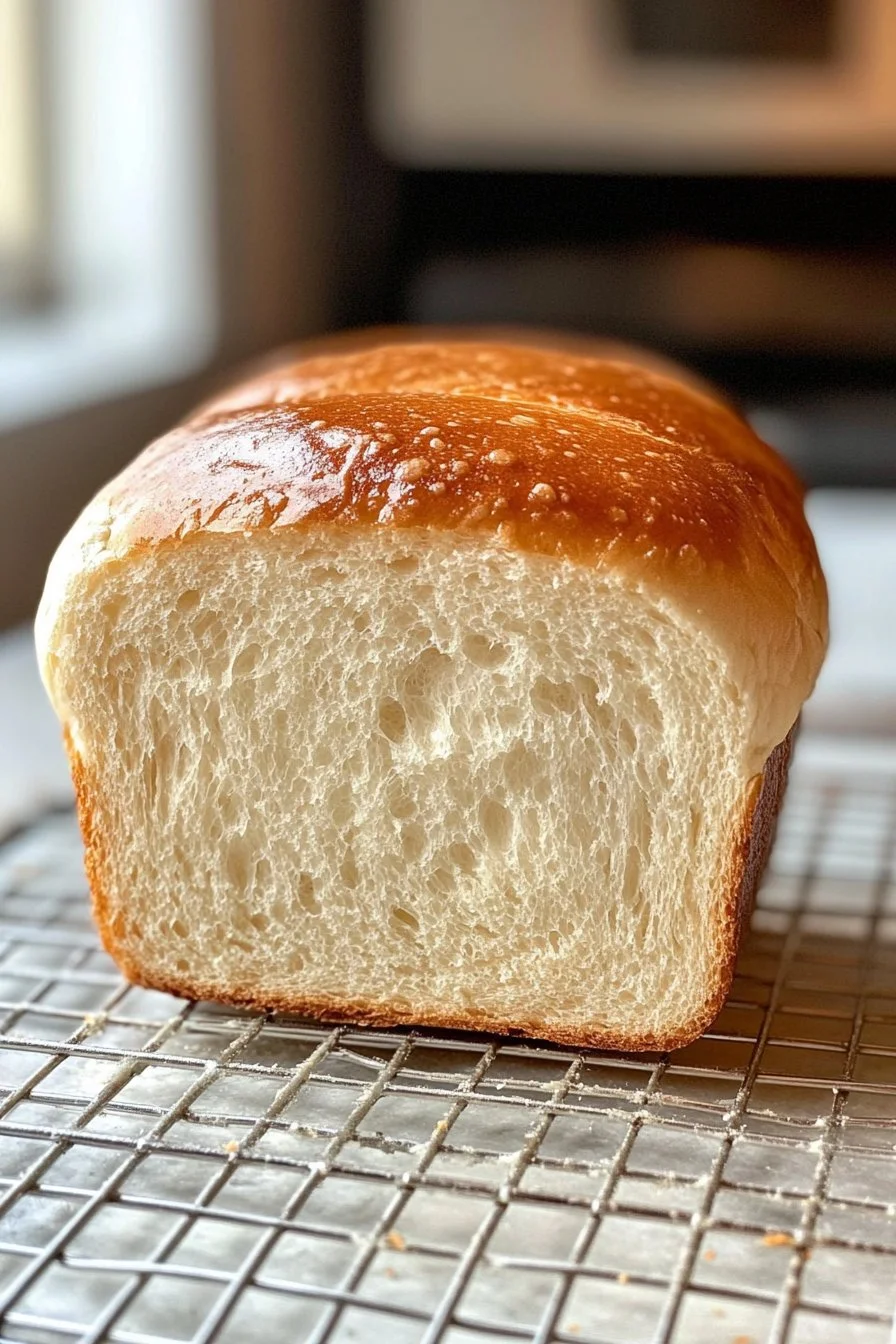
Sourdough Sandwich Loaf Techniques
Technique
Mastering the art of sourdough loaf baking isn’t daunting with a few techniques. Consider the hydration level of the dough. A stickier mixture often yields a more open crumb, while a stiffer dough can create a tighter texture. Adjust that as you get comfortable with the process.
Pay attention to the kneading method. Instead of a repetitive push and fold, engage in a stretching and folding technique. This nurtures gluten development and enhances your bread’s structure, ensuring it can rise elegantly in its final form.
Be patient during the rising phases. Both bulk fermentation and proofing influence your bread’s final height and texture. A longer, slower rise in cooler temperatures may deepen flavor, so consider experimenting with your timing.
Tips/tricks
Baking bread doesn’t need to be intimidating. Here are a few tips to help smiling faces at the table:
- Use a kitchen scale for precision. Baking is a science, and accurate measurements lead to a flawless loaf.
- Test your sourdough starter. A float test can determine its readiness—take a small spoonful and drop it in water. If it floats, you’re ready to bake!
- Experiment with the baking surface. A preheated baking stone can enhance crust development for even better texture and taste.
Ensure you have fun with the process. The act of kneading and waiting turns into an experience when approached with a mindset of creativity.
Perfecting Your Sourdough
Perfecting results
Achieving the perfect loaf requires careful attention to detail. Monitoring the fermentation stage is crucial—too short results in dense bread, while too long may lead to over-fermentation. Aim for that sweet spot where the dough doubles in size, indicating readiness for shaping.
Utilize the windowpane test to check gluten development. Stretch a small piece of dough; if it spreads thin without tearing, you’re good to go! If it falls apart, continue kneading.
Use your senses throughout the process. The aroma changes as fermentation occurs, and you’ll develop an intuition for when the dough is ready for each stage.
Troubleshooting/variations
If you encounter issues, don’t worry. Every great baker faces challenges. A dense loaf may signify insufficient gluten development or too little fermentation. Adjust kneading times and allow longer rising phases.
Variations are limitless. Try adding herbs or seeds into your dough for an extra flavor kick. Using whole grains or different types of flour can also alter the flavor profile, providing new experiences in every loaf.
Don’t be afraid to tweak elements of the recipe based on your preferences. Baking sourdough is as much about personal expression as it is about the end product.
Serving Sourdough Sandwich Bread
Serving/presentation
Once your sourdough sandwich bread reaches golden perfection, slicing it opens up opportunities. Present it on a wooden cutting board, with a light dusting of flour for character. Pair it with a spread of your choice; butter or creamy avocado lend delectable flavors.
Creating sandwiches with this loaf turns into an adventurous exercise as you explore different fillings. Consider deli meats, various cheeses, or even custom spreads crafted from seasonal ingredients. The delightful flavor of this bread enhances every combination and adds an inviting touch.
Pairings/storage
Serve this fantastic sourdough bread with an array of accompaniments. Pair it with fresh salads, hearty soups, or vibrant vegetable dishes—the options are endless. Your loaf also shines at any gathering, standing tall at a holiday feast or a casual afternoon get-together.
To store, wrap the cooled loaf in a clean cloth or place in a paper bag. This method allows the bread to breathe and preserves its crust. For longer preservation, slice and freeze the bread. Just toast slices as needed, and experience freshness anytime.
Baking sourdough sandwich bread connects us to memories and moments while allowing room for creativity. Each loaf tells a story, supporting gatherings and hearty meals throughout life.
Discovering the process of baking with a loved one can enrich these moments even more, intertwining flavors with affection and nostalgia. Explore, create, and relish in the act of baking, one loaf at a time.
Print
Easy Sourdough Sandwich Bread
- Prep Time: 20 minutes
- Cook Time: 35 minutes
- Total Time: 280 minutes
- Yield: 1 loaf
- Category: Bread
- Method: Baking
- Cuisine: American
- Diet: Vegetarian
Description
A simple, flavorful sourdough sandwich bread that enhances every meal with its lovely crust and soft crumb.
Ingredients
- 65 grams active sourdough starter
- 300 grams lukewarm water
- 12 grams salt
- 14 grams sugar
- 15 grams oil (avocado or olive)
- 400 grams bread flour
- 100 grams all-purpose flour
Instructions
- Combine the active sourdough starter with lukewarm water, sugar, and oil in a large bowl.
- Gradually add the bread flour and all-purpose flour, mixing until no dry particles remain.
- Sprinkle in the salt, mixing it thoroughly into the dough.
- Turn the dough out onto a lightly floured surface and knead for about 10 minutes until smooth and elastic.
- Place the dough in a greased bowl, cover loosely, and let it rise in a warm area for 4-6 hours or until doubled in size.
- Deflate the dough and turn it onto a floured surface. Shape it into a loaf.
- Transfer the loaf to a greased bread pan, cover, and allow it to rise for another 2-3 hours.
- Preheat the oven to 375°F (190°C) and bake for 30-35 minutes until golden brown and hollow-sounding when tapped.
- Cool the bread on a wire rack before slicing.
Notes
Ensure sourdough starter is fed 4-8 hours before starting the recipe. Use a kitchen scale for precise measurements.