
📑 Table of Contents ▶
- Chicken Florentine Recipes
- Mastering Chicken Florentine Recipes
- Fundamentals
- Preparation and Setup
- Crafting the Perfect Chicken Florentine
- Technique
- Tips and Tricks
- Perfecting Your Chicken Florentine
- Perfecting Results
- Troubleshooting and Variations
- Serving and Enjoying Chicken Florentine
- Serving and Presentation
- Pairings and Storage
- Conclusion
- FAQs – Chicken Florentine Recipes
Cooking has always been my sanctuary, a place where I can escape the chaos of everyday life and focus on creating something beautiful and nourishing. Among my favorite dishes are Chicken Florentine recipes, which hold a special place in my heart. I remember the first time I made Chicken Florentine; the aroma of fresh herbs and savory chicken filled my kitchen, instantly transforming an ordinary day into something memorable.
Chicken Florentine recipes are a staple for anyone who loves the combination of tender chicken, rich flavors, and a touch of elegance in their meals. They offer a perfect balance of simplicity and sophistication, making them a go-to choice for both weeknight dinners and special occasions. Whether you’re an experienced chef or just starting your culinary journey, Chicken Florentine recipes provide a rewarding experience that brings joy to the table.
In my quest to explore the versatility of Chicken Florentine recipes, I discovered how they can be adapted to different dietary preferences without compromising taste. This flexibility makes them an excellent option for families seeking delicious, nutritious meals that cater to various needs. As you dive into the world of Chicken Florentine, I’m excited to share tips and techniques that will help you master this classic dish and make it your own.
Join me as we explore the fundamentals of crafting Chicken Florentine recipes, unlocking the secrets to achieving the perfect balance of flavors and textures. From preparation to presentation, you’ll find everything you need to create a dish that’s as delightful to make as it is to eat. Let’s embark on this culinary adventure together, savoring each step along the way.
Print
Chicken Florentine Recipes
- Prep Time: 10 minutes
- Cook Time: 20 minutes
- Total Time: 30 minutes
- Yield: 4 servings
- Category: Main Course
- Method: Cooking
- Cuisine: Italian
Description
Discover delicious Chicken Florentine recipes that are easy to make at home. Learn how to cook this classic dish with our step-by-step instructions and tips.
Ingredients
- 1/4 cup all-purpose flour (30g)
- 1/4 cup grated Parmesan, plus more for serving (25g)
- Salt and black pepper
- 4 thin-cut boneless skinless chicken breasts (about 450g)
- 1 tablespoon olive oil (15ml)
- 4 tablespoons beef broth (60g)
- 1 medium shallot, minced
- 2 garlic cloves, minced
- 1/2 cup (120 ml) grape juice
- 1/2 cup beef broth (120ml)
- 1 teaspoon (5 ml) dried basil (or 1 tablespoon (15 ml) chopped fresh basil)
- 1 teaspoon (5 ml) dried oregano (or 1 teaspoon (5 ml) chopped fresh oregano)
- 1/2 cup (120 ml) coconut cream
- 2 ounces dairy-free cream cheese, at room temperature (60g)
- 2 cups packed baby spinach (about 85g)
Instructions
- On a plate, combine the flour, Parmesan, and season with 1 teaspoon each of salt and pepper. Coat the chicken breasts thoroughly in this mixture, ensuring both sides are covered.
- Place a large skillet over medium heat. Pour in the olive oil and add 2 tablespoons of butter, allowing them to melt together. Add the chicken and cook until it turns golden brown, approximately 4 minutes per side, without cooking it completely. Remove the chicken from the skillet and set aside.
- In the same skillet, add the remaining 2 tablespoons of butter and let it melt. Toss in the minced shallot, garlic, and a pinch of salt, stirring until the shallot becomes soft and the garlic releases its fragrance, about 2 minutes.
- Pour in the grape juice, broth, basil, and oregano, stirring and scraping up any browned bits from the skillet’s bottom. Allow the liquid to reduce by roughly half, which should take 3 to 4 minutes. Mix in the coconut cream and dairy-free cream cheese, stirring until the cream cheese melts and the sauce thickens, around 6 minutes. Incorporate the baby spinach, mixing it into the sauce until it begins to wilt, which should take about 1 minute.
- Place the chicken breasts back into the skillet and let them simmer until they are fully cooked, which should take 4 to 5 minutes. Remove the skillet from the heat and serve promptly, garnished with additional grated Parmesan.
Notes
- For a more flavorful result, use freshly grated Parmesan cheese instead of pre-grated.
- Generously season the chicken breasts with salt and pepper before coating them in the flour and Parmesan mixture.
- For a thicker sauce, simmer it longer to reduce further or add or lemon juice for a tangy touch.
Mastering Chicken Florentine Recipes
Fundamentals
At the heart of any great Chicken Florentine recipe lies a few key ingredients that set the foundation for its rich and savory flavor profile. The combination of chicken, Parmesan, and fresh herbs creates a dish that feels both indulgent and wholesome. The use of coconut cream and dairy-free cream cheese offers a creamy texture without the heaviness of traditional dairy products, making it suitable for a variety of dietary needs.
The inclusion of grape juice in the recipe adds a subtle sweetness that complements the savory components, balancing the flavors beautifully. This unique twist on a classic recipe ensures that your Chicken Florentine stands out, offering a delightful taste experience that keeps guests coming back for more. Understanding these fundamental elements will help you create a dish that is both delicious and memorable.
Preparation and Setup
Preparation is key when it comes to achieving the perfect Chicken Florentine. Begin by gathering all your ingredients and ensuring that your chicken breasts are thinly sliced and even in size. This not only guarantees quick and uniform cooking but also ensures that each piece absorbs the flavors of the marinade and sauce.
Coat the chicken evenly in a mixture of flour and Parmesan, seasoned with salt and pepper. This creates a flavorful crust that adds texture and depth to each bite. Taking the time to properly marinate and coat the chicken will enhance the overall taste and presentation of your dish, making it a standout on any dining table.
Crafting the Perfect Chicken Florentine
Technique
The technique used in cooking Chicken Florentine is as important as the ingredients themselves. Start by heating a skillet over medium heat and adding olive oil and butter to create a flavorful base. Carefully place the chicken in the skillet, ensuring not to overcrowd the pan, which allows for even browning and prevents steaming.

Chicken Florentine Recipes
Once the chicken is golden brown on both sides, remove it from the skillet to rest. This moment is crucial as it allows the juices to redistribute, ensuring tender and juicy chicken. In the same skillet, sauté the minced shallot and garlic, infusing the dish with aromatic flavors that serve as the perfect backdrop for the creamy sauce.
Tips and Tricks
To take your Chicken Florentine to the next level, consider a few expert tips that enhance both flavor and presentation. Deglaze the pan with grape juice and beef broth, using a wooden spoon to scrape up any browned bits stuck to the bottom. This step not only adds depth to the sauce but also prevents any burnt flavors from developing.
Incorporate fresh spinach into the sauce just before serving to preserve its vibrant color and nutritional value. This small adjustment adds a pop of color to your dish, making it visually appealing. For more inspiration and variations, explore these 17 Best Ever Keto Chicken Recipes and 11 Keto Chicken Recipes to broaden your culinary repertoire.
Perfecting Your Chicken Florentine
Perfecting Results
Achieving the perfect Chicken Florentine involves attention to detail and a willingness to adjust based on taste and preferences. Taste the sauce as you go, adjusting the seasoning with salt, pepper, and additional herbs if necessary. This ensures that every bite is flavorful and balanced, catering to your unique palate.
For those seeking a dairy-free option, the use of coconut cream and dairy-free cream cheese provides a creamy texture without sacrificing taste. These alternatives offer a lightness that complements the dish, making it suitable for those with dietary restrictions while maintaining the integrity of the classic Florentine flavor.
Troubleshooting and Variations
Even the most seasoned cooks may encounter challenges when preparing Chicken Florentine. If your sauce becomes too thick, simply add a splash of beef broth to reach the desired consistency. This quick fix ensures that your sauce remains luscious and pourable, perfect for drizzling over the chicken.
Explore variations of this dish by incorporating different herbs or adding a twist with unique ingredients. For those looking for further inspiration, check out the Stuffed Chicken with Blackberry Jalapeno and Gooey Cheese or experiment with Sous Vide Chicken Breasts with Lemon Garlic and Rosemary. These recipes offer new flavors and techniques to elevate your cooking experience.
Serving and Enjoying Chicken Florentine
Serving and Presentation
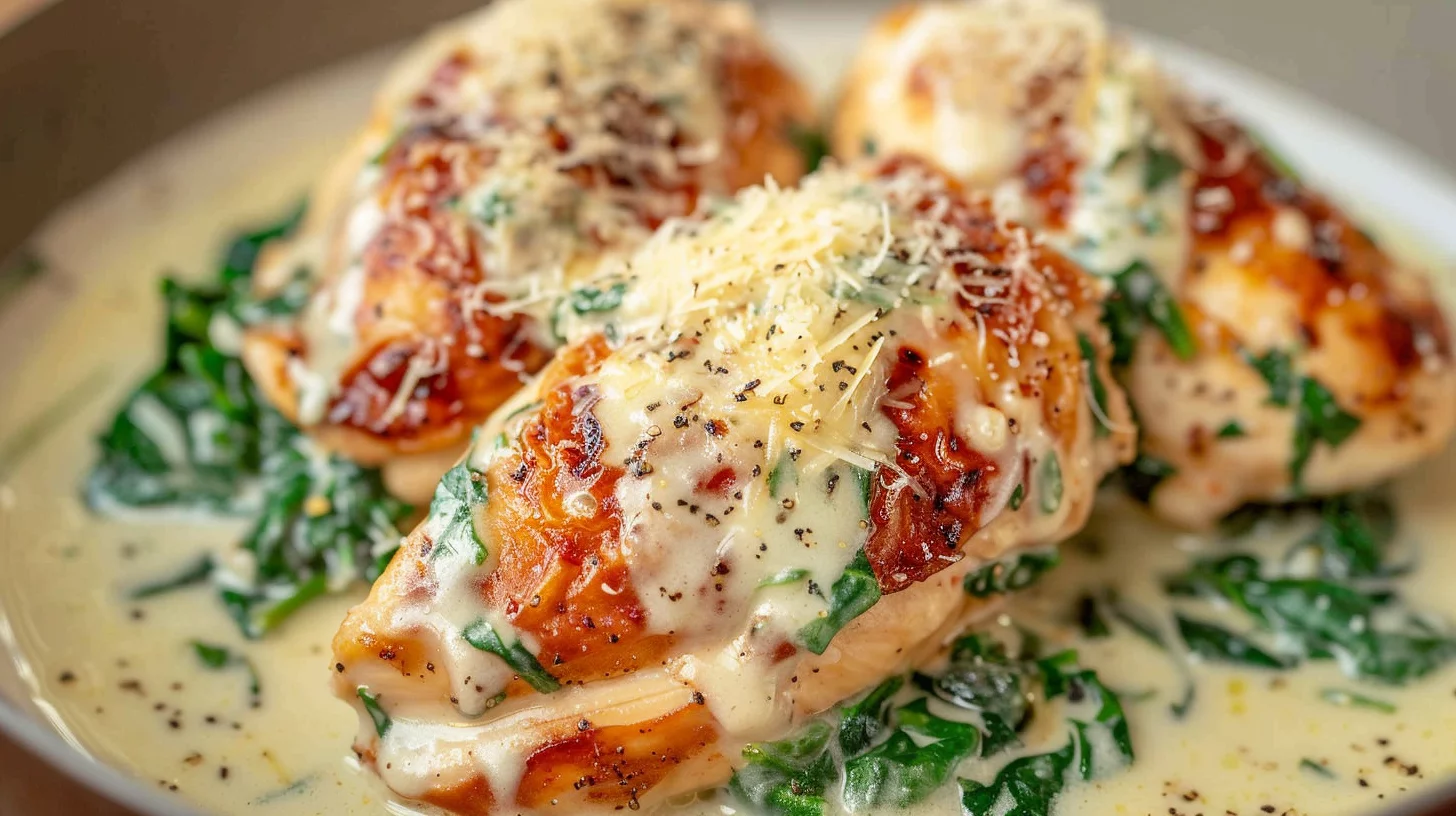
Presentation is key when serving Chicken Florentine, as it transforms a simple meal into an elegant dining experience. Arrange the chicken breasts on a serving platter, spooning the creamy sauce over the top. Garnish with freshly grated Parmesan and a sprinkle of herbs to add a touch of sophistication.
For a complete meal, serve your Chicken Florentine with a side of steamed vegetables or a fresh salad. This not only adds color to the plate but also complements the rich flavors of the dish. Discover more serving suggestions and ideas by exploring Healthy Chicken Recipes that offer a variety of pairings to suit any occasion.

Chicken Florentine Recipes
Pairings and Storage
Pair your Chicken Florentine with a selection of sides that enhance its flavors without overpowering them. Consider serving with garlic mashed potatoes or a light pasta to soak up the creamy sauce. For those seeking a lower-carb option, roasted vegetables or cauliflower rice provide a healthy alternative.
Store any leftovers in an airtight container in the refrigerator for up to three days. Reheat gently on the stove or in the microwave, adding a splash of broth to loosen the sauce if needed. For more ideas on how to enjoy chicken dishes in various forms, check out Easy Low Carb Chicken Casseroles and Quick and Easy Homemade Butter Chicken.
Conclusion
Chicken Florentine recipes offer a delightful combination of flavors and textures that make them a beloved choice for many. By mastering the fundamentals and techniques, you can create a dish that stands out in both taste and presentation. The flexibility of this recipe allows for personalization, ensuring that it can be adapted to suit various dietary needs and preferences.
The balance of savory and sweet elements, coupled with the creamy sauce, makes Chicken Florentine a dish that is both comforting and elegant. Whether you’re preparing it for a family dinner or a special occasion, this recipe promises to deliver satisfaction and joy. Embrace the art of cooking Chicken Florentine, and let it become a cherished part of your culinary journey.