
📑 Table of Contents ▶
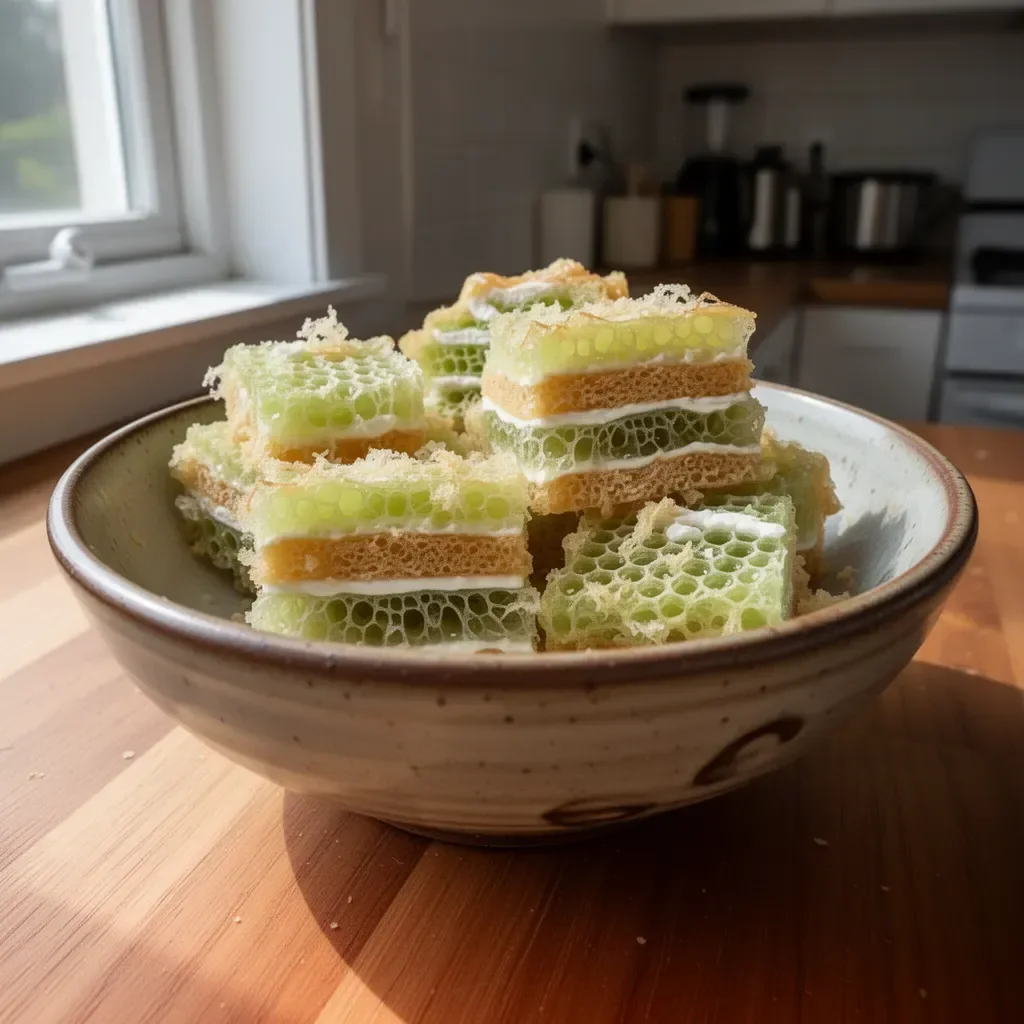
Vietnamese Honeycomb Cake
I’m Della Lucia, and HealthyDinnerMeals was created from my belief that food should nourish both the body and the moments we share. There’s something magical about Vietnamese Honeycomb Cake that evokes memories of bustling kitchens filled with rich aromas and laughter. This cake isn’t just a dessert; it represents community, culture, and creativity.
Many people think they need fancy ingredients or complicated techniques to make a delicious treat. But the beauty of this recipe lies in its simplicity. Vietnamese Honeycomb Cake uses coconut milk and pandan leaves, providing a unique flavor that transports you straight to Southeast Asia.
Preparing this cake feels like an adventure — swirling vibrant colors and delightful smells fill your kitchen. You need just a few basic ingredients, and the process is straightforward. This dessert invites everyone to get their hands dirty, creating something not only for the palate but also for the heart. Let’s dive into making this delightful cake that promises both satisfaction and nostalgia.
Vietnamese Honeycomb Cake Fundamentals
The foundation of Vietnamese Honeycomb Cake lies in its ingredients and method. This cake relies on the fragrant pandan and creamy coconut milk to create a uniquely flavorful dessert. Each component interacts harmoniously, offering a texture that is both light and rich.
Preparation/Setup
Start by gathering all your ingredients. The efficiency of your setup truly matters. Ensure you have a large mixing bowl, a separate bowl for your dry ingredients, and a greased cake pan ready to go. If you’re using fresh pandan leaves, you’ll want to prepare them first by steeping them in warm water until they release their vibrant, earthy flavor. This extra step enhances the cake’s overall taste profile.
Ingredients
For this recipe, you’ll need:
- 14 ounces full-fat coconut milk
- 10 pieces of pandan leaves (or 1 teaspoon of pandan extract)
- 5 large eggs
- 1.33 cups granulated sugar (adjust to your sweetness level)
- 0.5 teaspoon pandan extract (if using extract, double this amount)
- 1 teaspoon vanilla extract
- 1 cup tapioca starch
- 16 grams single-acting baking powder
- 1 pinch of salt
Directions
-
If using pandan leaves, steep them in warm water to extract their flavor. Blend these leaves with the coconut milk until everything melds together beautifully. For those using extract, simply combine it with the coconut milk.
-
In a large mixing bowl, whisk the eggs and sugar until they are well combined and frothy. Slowly add the coconut milk and pandan mixture, using a gentle hand to avoid splattering. Don’t forget to mix in the vanilla extract for additional depth.
-
In another bowl, sift the tapioca starch, baking powder, and salt together. Gradually add this mixture to your wet ingredients, stirring thoroughly to ensure a smooth, lump-free batter.
-
Pour the beautifully colored batter into a greased cake pan. Cover the top with foil to retain moisture during cooking. Set up your steaming apparatus or preheat your oven according to your preference for baking.
-
Allow your cake to steam or bake for about 40 minutes, checking for doneness by inserting a skewer. If it comes out clean, your cake is ready.
Perfecting Your Cake Technique
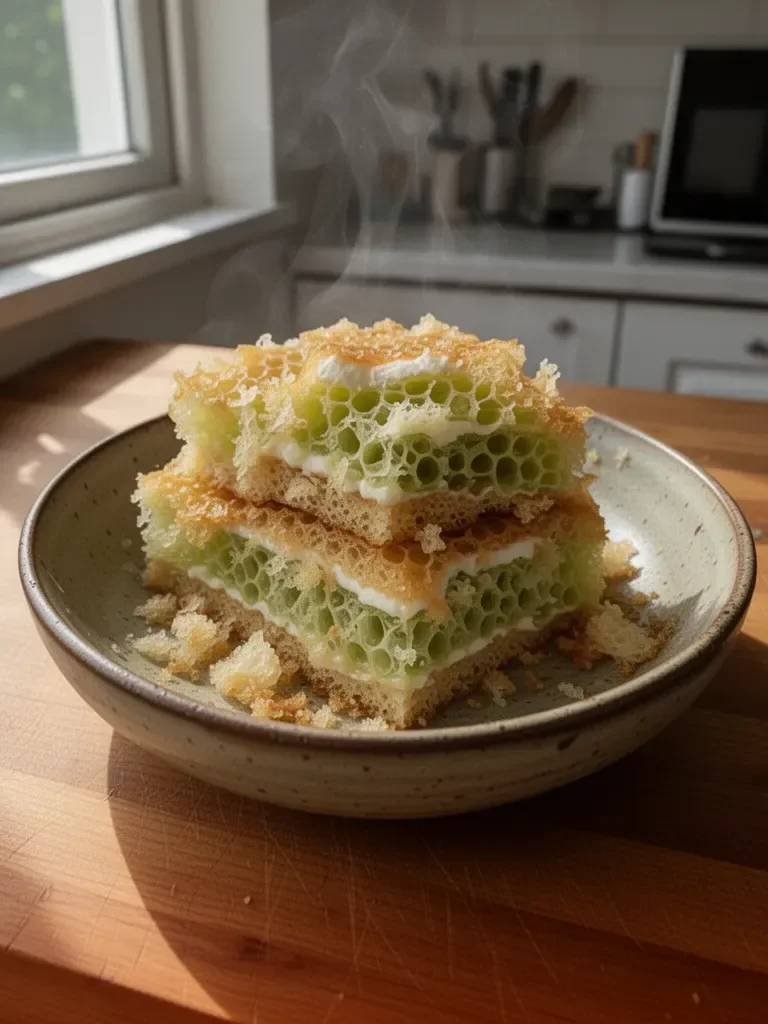
Creating the perfect Vietnamese Honeycomb Cake requires some finesse and attention to detail. The technique behind the steaming or baking process plays a significant role in how your cake turns out.
Tips/Tricks
For even, consistent results, keep the temperature steady during cooking. If you’re using a steamer, make sure the water is boiling adequately before placing your cake pan inside. This prevents uneven cooking and promotes a fluffy texture.
If using an oven, consider putting a tray of water at the bottom to maintain humidity. This step helps replicate the steam effect, giving your cake the soft, airy quality it’s known for.
When it comes to flavor, don’t hesitate to adjust sugar levels based on your taste preference. This cake is versatile, so feel free to experiment with the pandan extract as well, increasing the amount for a more intense flavor profile.
Troubleshooting and Variations
Despite careful preparation, some common issues may arise when making Vietnamese Honeycomb Cake. Knowing how to troubleshoot these will ensure your cake emerges perfect every time.
Perfecting Results
One frequent issue is a dense texture. This can occur from overmixing the batter or not allowing it to steam or bake adequately. If you find yourself with slightly undercooked sections, simply continue cooking a little longer, checking periodically.
Should you prefer different flavors, you can incorporate other extracts like almond or coconut. You could also add a pinch of citrus zest for an extra layer of complexity. Remember to consider your audience’s preferences to ensure they fully enjoy the treat.
Serving and Presentation
Once the Vietnamese Honeycomb Cake has cooled, it’s time to make it shine. The aesthetic of this cake is as important as its flavor, so presentation matters.
Pairings/Storage
Serve the cake while it’s fresh, and consider garnishing with toasted coconut flakes or slices of tropical fruits like mango or pineapple. The vibrant color of the cake makes it a feast for the eyes, promising to delight your guests.
Store any leftovers in an airtight container at room temperature for a couple of days. If you want to extend the life of your cake, consider refrigerating it. Always allow it to come back to room temperature before serving to preserve its texture.
The cake’s unique flavors and textures make it perfect for various occasions. It stands beautifully on any table, whether for celebrations or family gatherings.
In conclusion, this cycle of preparing and enjoying Vietnamese Honeycomb Cake brings cherished moments, laughter, and warmth into your home. Every slice gives until what it means to share good food, reminding us of the connections we build through cooking and sharing meals with loved ones.
Print
Vietnamese Honeycomb Cake
- Prep Time: 15 minutes
- Cook Time: 40 minutes
- Total Time: 55 minutes
- Yield: 8 servings
- Category: Dessert
- Method: Steaming or Baking
- Cuisine: Vietnamese
- Diet: Vegetarian
Description
A delightful Vietnamese dessert made with coconut milk and pandan leaves, promising a unique flavor and rich aroma that evokes community and nostalgia.
Ingredients
- 14 ounces full-fat coconut milk
- 10 pieces of pandan leaves (or 1 teaspoon of pandan extract)
- 5 large eggs
- 1.33 cups granulated sugar (adjust to your sweetness level)
- 0.5 teaspoon pandan extract (if using extract, double this amount)
- 1 teaspoon vanilla extract
- 1 cup tapioca starch
- 16 grams single-acting baking powder
- 1 pinch of salt
Instructions
- Steep pandan leaves in warm water to extract their flavor. Blend with coconut milk until well mixed. If using extract, mix it with the coconut milk.
- Whisk eggs and sugar in a large bowl until frothy. Slowly add the coconut milk and pandan mixture, mixing gently to avoid splattering. Include vanilla extract.
- Sift the tapioca starch, baking powder, and salt in another bowl, then gradually add to the wet ingredients, stirring to ensure a smooth batter.
- Pour the batter into a greased cake pan, covering with foil to retain moisture. Preheat your oven or set up your steaming apparatus.
- Steam or bake for about 40 minutes, checking for doneness using a skewer; the cake is ready if it comes out clean.
Notes
Maintain a steady temperature during cooking for even results. Consider adding a tray of water in the oven for humidity.