
📑 Table of Contents ▶
Ramen Eggs (Ajitama)
I’m Della Lucia, and HealthyDinnerMeals was created from my belief that food should nourish both the body and the moments we share. My fondest memories come from simple homemade meals — not perfection, just comfort, connection, and care. Here, healthy eating stays approachable and satisfying, with recipes that fit real life: quick, flavorful, and balanced. Whether you’re cooking for yourself or loved ones, I hope these meals help you feel confident in the kitchen and inspired to enjoy every moment around the table.
Ramen eggs, or ajitama, transform a humble ingredient into something magical. As a child, I was captivated by the perfectly cooked eggs floating in steaming bowls of ramen. Their glossy, savory surface invited me to take a bite. The first time I tasted ajitama, I knew I had encountered something exceptional.
These eggs enhance not just ramen but also snacks and salads. The delicate balance of flavors, achieved through a simple marinade, brings comfort to every bite. This dish encapsulates the essence of homestyle cooking, where love and care shine through. With just a few ingredients, you can prepare your own ramen eggs and create lasting memories around your dinner table.
Crafting these ramen eggs at home allows for exploring flavors and techniques that elevate your meals. Dive into this guide as we unravel the art of making perfectly marinated ajitama, ensuring every egg becomes a cherished addition to your kitchen repertoire.
Ramen Eggs Basics
Fundamentals
Ramen eggs are much more than just a topping; they are a culinary experience. Soft-boiling the eggs yields a custard-like yolk that complements the rich broth of ramen beautifully. The secret lies in the timing: six minutes of gentle boiling creates the ideal texture. You get a soft center that marries well with the umami flavors of the marinade.
The marinade, consisting of light sodium soy sauce, mirin, and sugar, infuses the eggs with a depth of flavor. As the eggs soak in this mixture, they absorb all those delicious elements. This process enhances the overall taste, making them not only great in ramen but also delightful snacks on their own.
Preparation/Setup
Preparing ramen eggs requires minimal effort but a little patience for the marinating process. Start by boiling the water in a sturdy pot, ensuring you have enough to fully submerge the eggs. While the water comes to a boil, gather your ingredients and make sure everything is ready for seamless preparation.
Once you start the marinating process, set aside enough time—aim for at least eight hours for the best results. If you plan accordingly, you can wake up to perfect ajitama the next day, ready to accompany your favorite dishes.
Ingredients
To make delectable ramen eggs, gather these simple ingredients:
- 6 large eggs
- ½ cup light sodium soy sauce
- ¼ cup water
- ¼ cup mirin
- 2 tablespoons granulated sugar
- Vinegar (optional for boiling)
This collection provides everything needed to create the flavorful experience you desire. The eggs add protein while the marinade gives that signature taste you look for in authentic ramen eggs.
Directions
-
Boil the Eggs: Bring a pot of water to a rolling boil. Gently place the eggs into the boiling water. For a perfect soft-boiled egg, let them cook for 6 minutes. Adding vinegar to the boiling water can help with peeling if you prefer.
-
Shock in Ice Water: After 6 minutes, carefully remove the eggs and transfer them to a bowl of ice water for about 15 minutes.
-
Make the Marinade: Combine soy sauce, water, mirin, and sugar in a bowl. Mix until the sugar fully dissolves.
-
Marinate the Eggs: Crack and peel the eggs, rinse if needed, and place them in the prepared marinade, ensuring they are fully submerged.
-
Time to Soak: Let the eggs marinate for at least 8 hours, but overnight is best.
-
Enjoy: Savor these eggs in your ramen or as a snack. For leftovers, remove them from the marinade after 12 to 36 hours based on your flavor preference.
Elevating Your Ramen Eggs
Technique
Achieving the perfect ramen egg requires attention to detail. Use a timer when boiling your eggs to avoid overcooking. The ice water bath is essential as it halts the cooking process, locking in that soft, runny yolk. Make sure not to skip this step; it guarantees that delightful texture you desire.
When mixing the marinade, ensure the sugar fully dissolves. This step is crucial for even flavor distribution. If you find the saltiness of the soy sauce too overpowering, adjust the marinade by adding more water or sugar until it suits your taste.
Tips and Tricks
-
Vinegar Use: Adding vinegar to the boiling water helps with peeling the eggs later. This little trick can save you time and prevent frustrating mishaps.
-
Testing for Doneness: If unsure about the doneness of your eggs, try one first. This way, you can adjust the boiling time based on your preferences.
-
Flavor Enhancements: Experiment with adding garlic or ginger to your marinade for a unique twist. Infusing flavors makes every bite more interesting.
Making ajitama doesn’t have to be a daunting task. With a bit of practice, you’ll master the technique and achieve consistency with each batch.
Perfecting Your Ramen Eggs
Perfecting Results
For the best results, timing is everything. Maintain that meticulous balance between cooking duration and marination time. Cooking the eggs for exactly six minutes yields the consistent soft center that every ramen connoisseur seeks.
Also, monitor the marination time. Sticking to a minimum of eight hours ensures a deeper flavor, but don’t be afraid to experiment. Letting them soak longer can intensify the flavor, which many find irresistible.
Troubleshooting and Variations
Sometimes, even the simplest recipes can present challenges. If your eggs turn out too hard, reduce the cooking time slightly during your next attempt. On the other hand, overly soft eggs can happen too, so adjusting that initial timer is vital.
For variations, consider swapping the soy sauce for an alternative like coconut aminos for a gluten-free option. Additionally, explore different marinades by incorporating miso or sesame oil. Each variation can offer a new facet of flavor, letting you customize your ramen egg experience based on your preferences.
Serving Ramen Eggs
Serving and Presentation
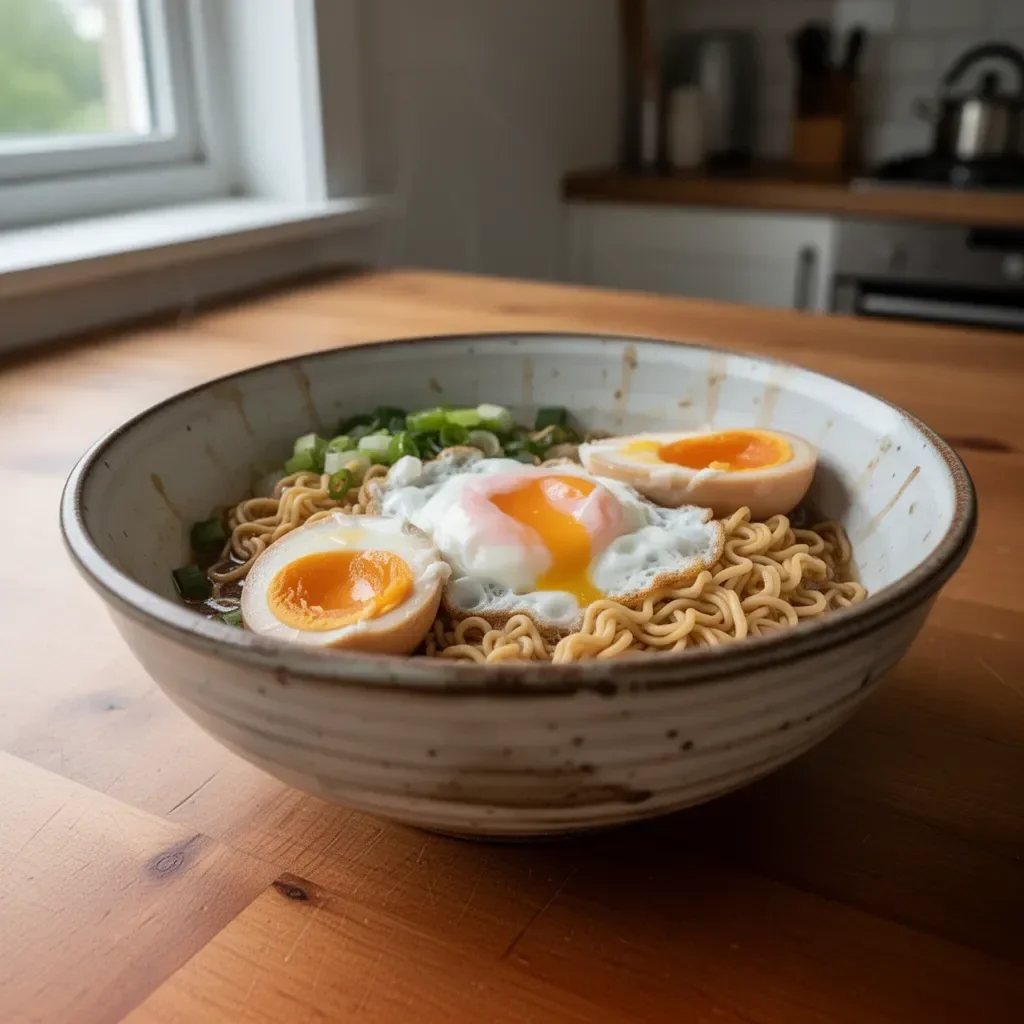
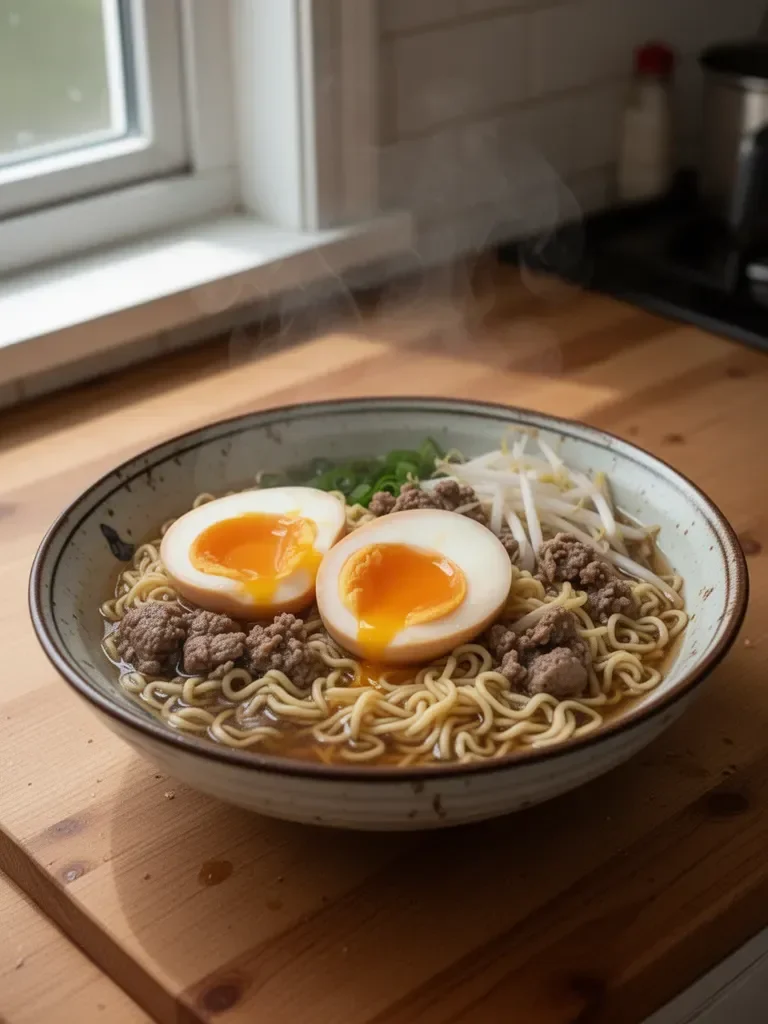
Presenting ramen eggs can enhance the overall appeal of your dishes. Use a sharp knife for clean cuts if you choose to slice them in half. Placing the eggs atop your ramen adds a visually appealing touch, inviting everyone to dig in.
Add a sprinkle of green onions or sesame seeds for a pop of color and flavor. Layering garnishes can elevate the experience, making your meal even more inviting. Little details like these can transform a simple bowl of ramen into a restaurant-quality dish.
Pairings and Storage
Ramen eggs shine when paired with countless dishes. They make a delightful snack on their own or can add richness to salads, bowls, or grain dishes. You can also enjoy them sliced in sandwiches or served with rice for a protein boost.
Store leftover ramen eggs in the marinade in the refrigerator, ensuring they remain submerged. For optimal flavor, plan to consume them within a few days. While they can last up to a week, the flavor may intensify the longer they sit.
By mastering the art of ramen eggs, you’ll create an unforgettable topping that enhances your meals and invites memorable experiences around the dinner table.

Ramen Eggs (Ajitama)
- Prep Time: 15 minutes
- Cook Time: 6 minutes
- Total Time: 8 hours 21 minutes
- Yield: 4 servings
- Category: Side Dish
- Method: Boiling and Marinating
- Cuisine: Japanese
- Diet: Vegetarian
Description
Deliciously marinated ramen eggs, or ajitama, that bring depth of flavor and a soft, custard-like yolk to your meals.
Ingredients
- 6 large eggs
- ½ cup light sodium soy sauce
- ¼ cup water
- ¼ cup mirin
- 2 tablespoons granulated sugar
- Vinegar (optional for boiling)
Instructions
- Boil the eggs by bringing a pot of water to a rolling boil and gently placing the eggs into the water for 6 minutes.
- Shock the eggs in ice water for about 15 minutes after boiling.
- Make the marinade by combining soy sauce, water, mirin, and sugar in a bowl and mixing until the sugar dissolves.
- Marinate the cracked and peeled eggs in the marinade, ensuring they are fully submerged.
- Soak the eggs for at least 8 hours, preferably overnight.
- Enjoy the eggs in your ramen or as a snack; store leftovers in the marinade.
Notes
Consider adding garlic or ginger to the marinade for a unique flavor twist. Use vinegar in boiling water to help with peeling.