
📑 Table of Contents ▶
Healthy Sautéed Vegetables
I’m Della Lucia, and HealthyDinnerMeals was created from my belief that food should nourish both the body and the moments we share. My fondest memories come from simple homemade meals—not perfection, just comfort, connection, and care. Here, healthy eating stays approachable and satisfying, with recipes that fit real life: quick, flavorful, and balanced.
One of the recipes that truly embodies this philosophy is healthy sautéed vegetables. These vibrant, colorful veggies not only add life to the plate but also provide essential nutrients. I vividly remember evenings in the kitchen, chopping up fresh produce and experimenting with flavors. The sizzle of vegetables in a hot pan always brings back joyful memories.
Healthy sautéed vegetables offer endless possibilities. You can mix and match your favorite vegetables, use various oils, and even add your seasonal herbs. This versatility creates a dish perfect for any occasion, from family dinners to meal prep. Every bite is a reminder of the nourishing simplicity of cooking at home.
The art of sautéing ensures that your vegetables maintain their vibrant colors and crunch while harnessing delicious flavors. With a few key techniques and fresh ingredients, you can elevate any meal into something special.
PART 1 — Healthy Sautéed Vegetables
Fundamentals
Healthy sautéed vegetables rely on the right combination of fresh produce and cooking techniques. Begin with seasonal vegetables for the best taste and nutritional value. The freshness of your ingredients directly impacts the final dish, so choose vibrant, ripe specimens to enhance flavors.
Cooking over medium-high heat provides a quick and effective method to achieve crisp-tender vegetables. This technique helps lock in moisture while preventing them from becoming too soft. Sauteing also allows for the natural sweetness of the vegetables to emerge, making for a deliciously satisfying dish.
Preparation/setup
Start by washing, peeling (if necessary), and cutting all vegetables into uniform pieces. Keeping the sizes consistent allows for even cooking. For example, slice carrots and zucchini into similar widths, so they reach the same level of tenderness simultaneously.
Gather your ingredients and tools before starting. This includes a cutting board, a sharp knife, and a skillet. Measure out the olive oil and have salt and pepper on hand for seasoning. Preparing the ingredients first makes the cooking process more streamlined and enjoyable.
Ingredients
To create healthy sautéed vegetables, gather the following ingredients:
- 2 tbsp olive oil (or avocado oil/butter)
- 2 cloves garlic, minced
- 1 small onion, thinly sliced
- 1 bell pepper, sliced
- 1 zucchini, sliced into half-moons
- 1 cup broccoli florets
- 1 medium carrot, julienned or sliced thin
- ½ cup snap peas
- ½ cup mushrooms, sliced
- Salt and black pepper, to taste
- 1 tsp lemon juice (optional)
- 1 tsp balsamic vinegar or soy sauce (optional)
These ingredients create a colorful medley bursting with flavor and nutrients.
Directions
- Start by washing, peeling (if necessary), and cutting all vegetables into uniform pieces.
- Place your skillet over medium-high heat and add the oil.
- Once the oil is hot, add minced garlic and sliced onions. Sauté for 1-2 minutes until fragrant.
- Next, introduce the harder vegetables: carrots and broccoli. Cook for 3-4 minutes, stirring frequently to prevent burning.
- After the initial vegetables start to soften, add the bell peppers, zucchini, mushrooms, and snap peas. Sauté for another 4-5 minutes until all vegetables are crisp-tender.
- Season with salt and pepper to taste. Enhance the flavor with optional lemon juice or balsamic vinegar/soy sauce.
- Toss everything well and garnish with toasted nuts, seeds, or fresh herbs before serving.
PART 2 — Mastering the Technique
Technique
The technique of sautéing plays a crucial role in achieving the perfect texture and flavor of your vegetables. When sautéing, high heat ensures the vegetables cook quickly while caramelizing their natural sugars.
Choosing the right oil is essential as it influences both taste and smoke point. Olive oil offers a rich flavor, while avocado oil has a higher smoke point, ideal for high-temperature cooking. Butter can add a creamy richness to the dish, but use it in moderation to keep this recipe health-conscious.
Tips/tricks
To get the best results from your healthy sautéed vegetables, keep these tips in mind:
- Prep ingredients before you start cooking. This ensures a smooth cooking process.
- Add vegetables in stages. Start with those that take longer to cook and add the quicker-cooking vegetables later.
- Don’t overcrowd the skillet. If your pan is too full, the vegetables will steam instead of sautéing, leading to a less desirable texture.
- Stir frequently to promote even cooking and prevent burning, ensuring that each piece gets the right amount of heat.
With practice, you’ll become adept at sautéing and discovering your unique combinations that speak to your palate.
PART 3 — Perfecting the Results
Perfecting results
Once you master the basics, you can elevate your healthy sautéed vegetables by customizing the flavors. Experiment with different oils or seasonings. Try various herbs like thyme, basil, or cumin for a flavor boost that matches your meal.
Cooking times can vary based on the type of vegetables used. For example, softer veggies like zucchini and bell peppers cook faster than hardier ones like carrots and broccoli. Adjust your cooking times accordingly for the perfect crisp-tender finish.
Troubleshooting/variations
If your sautéed vegetables come out less than perfect, don’t worry! You can troubleshoot common pitfalls. If they turn out mushy, you might have overcooked them or crowded the pan too much. Next time, reduce the cooking time or use a larger skillet.
For variations, consider adding protein. Chickpeas, tofu, or pre-cooked chicken can make this dish heartier. You can also use a variety of vegetables that are in season or to suit your tastes. Just ensure they are cut uniformly to promote even cooking.
PART 4 — Serving and Storage
Serving/presentation
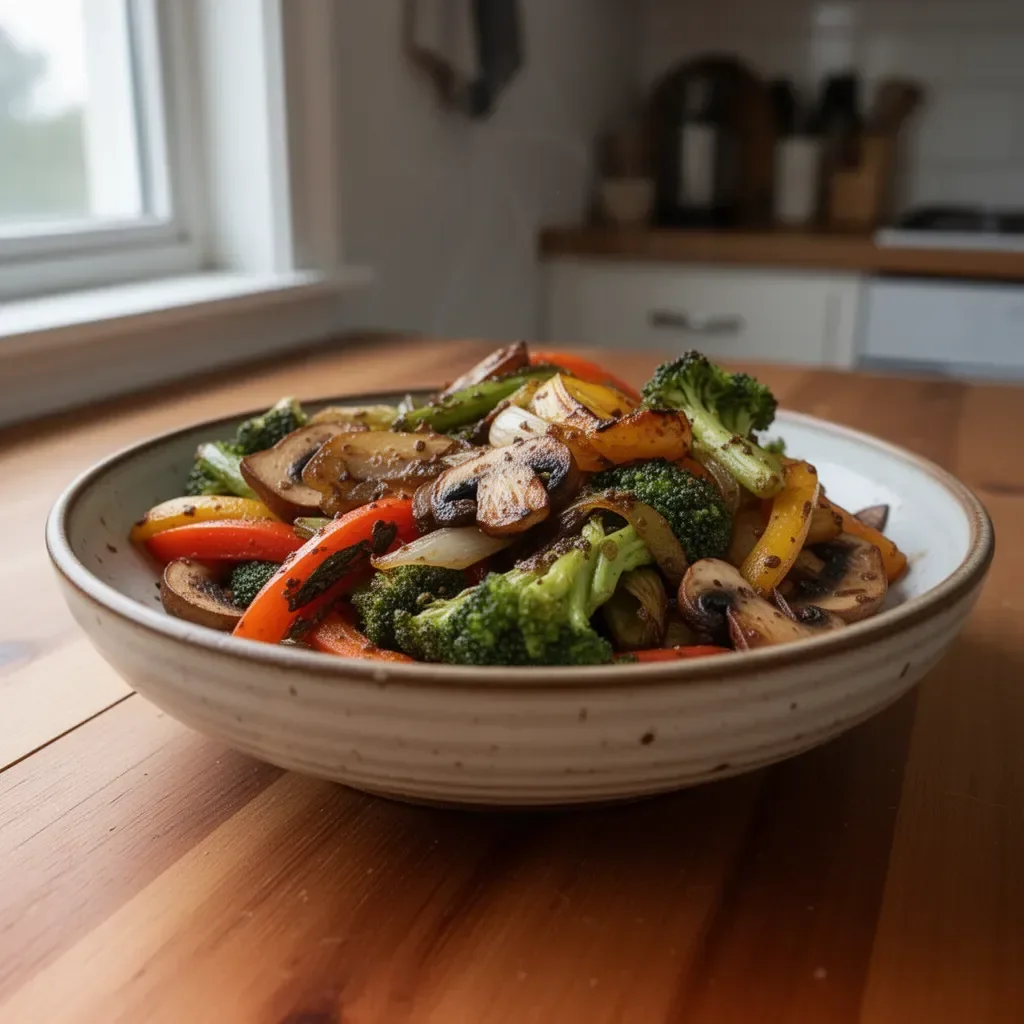
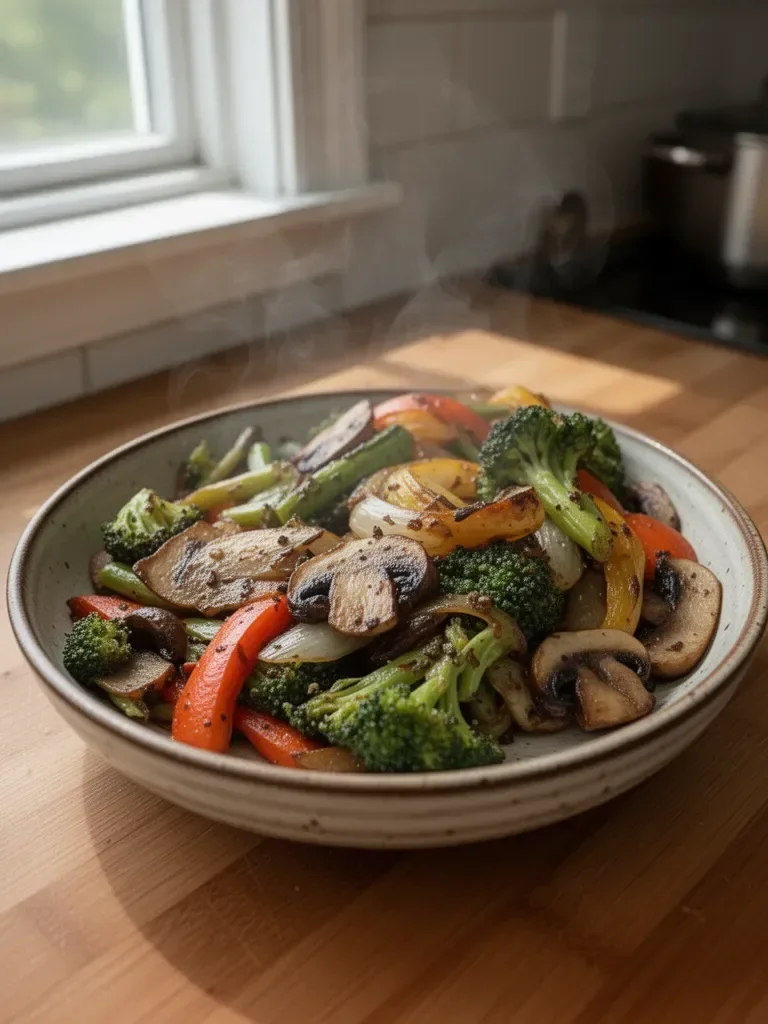
Serving healthy sautéed vegetables can be as simple or as elegant as you wish. Present them in a colorful bowl to highlight the vibrant hues of the vegetables. If you’ve garnished with toasted nuts, seeds, or fresh herbs, it adds visual appeal and enhances the flavor profile.
These vegetables pair beautifully with grains such as quinoa or brown rice. You can also nestle them alongside grilled chicken or served as a side dish to any main meal. Their versatility makes them a staple at any table.
Pairings/storage
Serving suggestions for your healthy sautéed vegetables are vast. Pair them with grilled fish, a simple garden salad, or your favorite grain for a balanced meal. This dish can accompany almost any protein, adding a nutritious crunch and vibrancy to your plate.
If you have leftovers, store them in an airtight container in the refrigerator for up to three days. Gently reheat in a skillet or microwave to maintain texture and flavor. These sautéed vegetables can serve as a delicious base for wraps, grain bowls, or even a hearty omelet or frittata.
Conclusion
Healthy sautéed vegetables embody the essence of nourishing meals. These vibrant mixes not only provide health benefits but also create lasting memories at the dinner table. The balance of flavors coupled with the right technique elevates everyday cooking, making it enjoyable for everyone. With a little practice, anyone can bring the magic of sautéed vegetables into their kitchen. Embrace the simplicity and beauty of fresh produce and savor every delightful bite as you cook your way to a healthier lifestyle.
Print
Healthy Sautéed Vegetables
- Prep Time: 10 minutes
- Cook Time: 15 minutes
- Total Time: 25 minutes
- Yield: 4 servings
- Category: Side Dish
- Method: Sautéing
- Cuisine: Global
- Diet: Vegetarian
Description
A colorful medley of sautéed vegetables that are nutritious, quick, and versatile, perfect for any meal.
Ingredients
- 2 tbsp olive oil (or avocado oil/butter)
- 2 cloves garlic, minced
- 1 small onion, thinly sliced
- 1 bell pepper, sliced
- 1 zucchini, sliced into half-moons
- 1 cup broccoli florets
- 1 medium carrot, julienned or sliced thin
- ½ cup snap peas
- ½ cup mushrooms, sliced
- Salt and black pepper, to taste
- 1 tsp lemon juice (optional)
- 1 tsp balsamic vinegar or soy sauce (optional)
Instructions
- Start by washing, peeling (if necessary), and cutting all vegetables into uniform pieces.
- Place your skillet over medium-high heat and add the oil.
- Once the oil is hot, add minced garlic and sliced onions. Sauté for 1-2 minutes until fragrant.
- Next, introduce the harder vegetables: carrots and broccoli. Cook for 3-4 minutes, stirring frequently to prevent burning.
- After the initial vegetables start to soften, add the bell peppers, zucchini, mushrooms, and snap peas. Sauté for another 4-5 minutes until all vegetables are crisp-tender.
- Season with salt and pepper to taste. Enhance the flavor with optional lemon juice or balsamic vinegar/soy sauce.
- Toss everything well and garnish with toasted nuts, seeds, or fresh herbs before serving.
Notes
These vegetables pair well with grains or proteins and can be stored in the refrigerator for up to three days. Reheat gently to maintain texture.