
📑 Table of Contents ▶
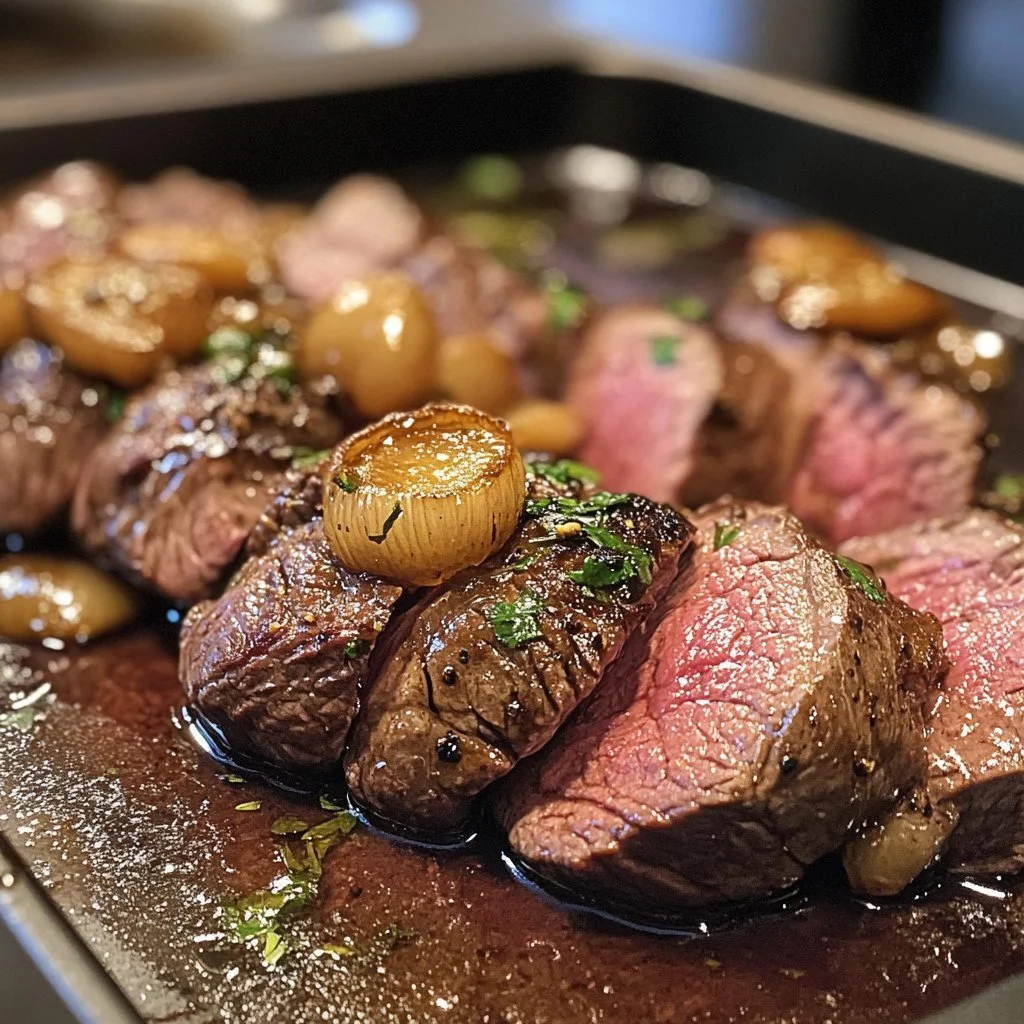
Beef Tenderloin
I’m Della Lucia, and HealthyDinnerMeals was created from my belief that food should nourish both the body and the moments we share. My fondest memories come from simple homemade meals — not perfection, just comfort, connection, and care. Here, healthy eating stays approachable and satisfying, with recipes that fit real life: quick, flavorful, and balanced. Whether you’re cooking for yourself or loved ones, I hope these meals help you feel confident in the kitchen and inspired to enjoy every moment around the table.
Beef tenderloin stands out as a dish that brings people together. Several family gatherings centered around its celebration, whether for birthdays or holiday feasts. The aroma of a beef tenderloin roasting in the oven fills the house with warmth, sparking conversations and laughter.
Cooking beef tenderloin can seem intimidating, but it’s more accessible than it appears. With just a few ingredients and straightforward steps, the process becomes an enjoyable and rewarding experience. The tender meat offers a pleasant, melt-in-your-mouth texture that keeps everyone coming back for seconds.
Using this recipe, you’ll find yourself savoring each moment in the kitchen and at the table. Let’s dive into the world of beef tenderloin and explore how to create this delightful dish that’s perfect for your next celebration.
The Cookery of Beef Tenderloin
Fundamentals
Understanding the fundamentals of beef tenderloin sets the stage for a successful cooking experience. Naturally tender and flavorful, this cut of beef comes from the loin, making it ideal for roasting or grilling. The tenderloin is known for its subtle taste, allowing the seasonings and preparation methods to shine.
Cooking the tenderloin at high temperatures allows the exterior to caramelize while keeping the inside juicy. A preheated oven plays a crucial role in maintaining the perfect cooking environment. Knowing the right temperatures and techniques allows for perfection in every bite.
Preparation/Setup
Preparation is vital when crafting the perfect beef tenderloin. Start by gathering all ingredients and tools before embarking on your culinary journey. Familiarize yourself with the ingredients: olive oil, garlic, fresh rosemary, fresh thyme, and of course, the beef tenderloin itself.
Next, consider your cooking space. Clear off surfaces and set out your roasting pan and skillet. This organized approach not only saves time but also creates a comfortable environment for cooking.
Ingredients
- 1 beef tenderloin (about 2-3 pounds)
- 2 tablespoons olive oil
- 2 cloves garlic, minced
- 1 tablespoon fresh rosemary, chopped
- 1 tablespoon fresh thyme, chopped
- Salt and pepper to taste
- Butter for basting
Gathering these ingredients ensures you’re ready to create a delightful dish that satisfies everyone at the table.
Directions
Preheat your oven to 425°F (220°C). In a small bowl, mix together the olive oil, minced garlic, chopped rosemary, and chopped thyme. Add salt and pepper according to your taste preferences. Rub this mixture all over the beef tenderloin, ensuring an even coat.
Heat a large skillet over medium-high heat and add a bit of olive oil. Sear the tenderloin on all sides until browned, taking about 2-3 minutes per side. This step locks in moisture and flavor.
Transfer the tenderloin to a roasting pan and place it in the preheated oven. Roast for about 25-30 minutes or until the internal temperature reaches 130°F (54°C) for that perfect medium-rare finish.
During the last few minutes of cooking, add a couple of tablespoons of butter to the pan and baste the meat to enhance the flavor and juiciness. Remove from the oven and let it rest for at least 10 minutes before slicing. Serve and enjoy with your favorite sides!
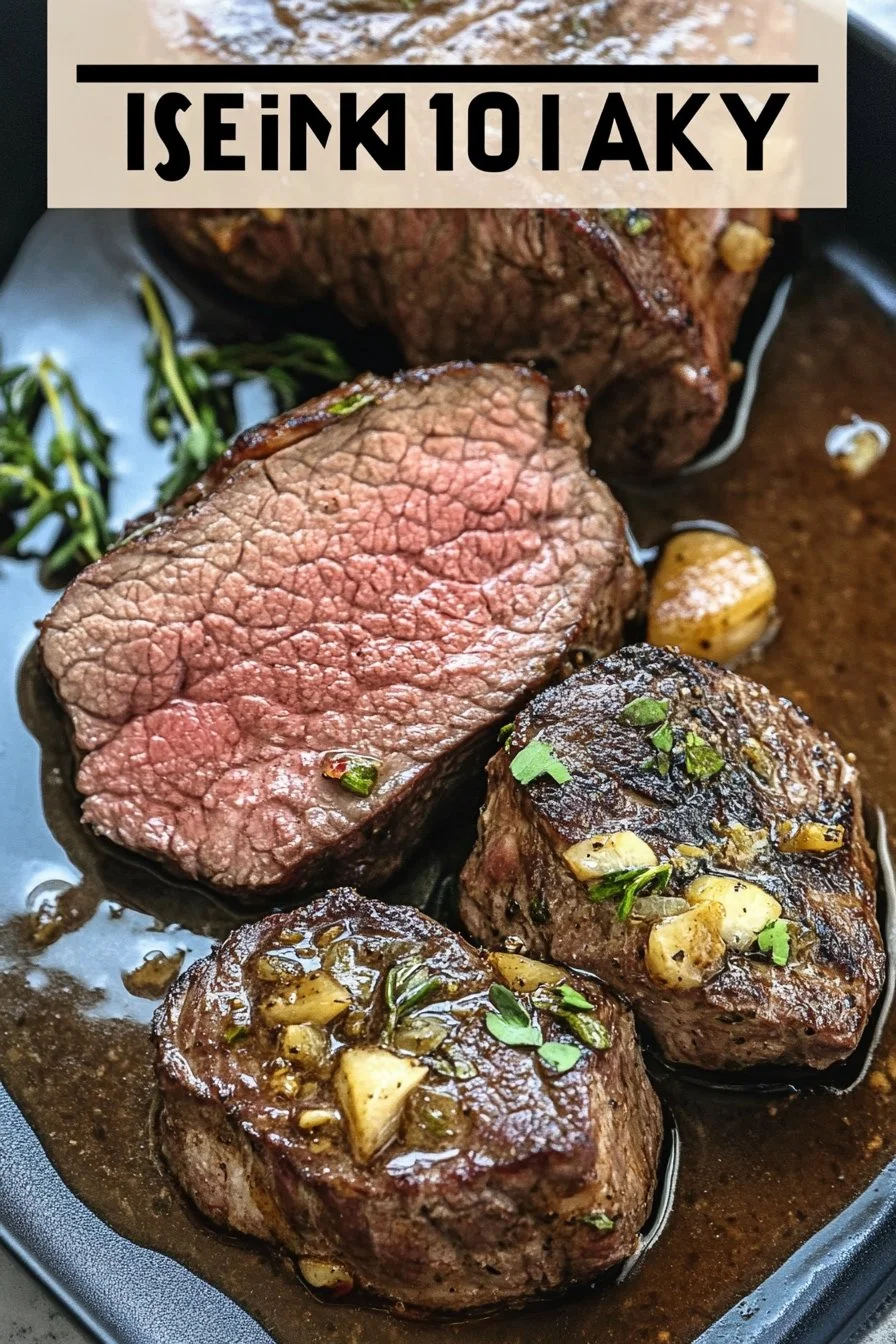
Mastering the Art of Beef Tenderloin
Technique
Unlocking the proper techniques can elevate your beef tenderloin experience. Searing is one of the key methods that professionals use to ensure a flavorful crust. The high heat seals in juices, creating a rich surface that contrasts beautifully with the tender interior.
Additionally, resting the meat post-cooking allows the juices to redistribute throughout the tenderloin. This crucial step ensures each slice remains moist and flavorful. Remember, patience pays off in the realm of cooking.
Tips/Tricks
Working with beef tenderloin can leave room for a few tips and tricks. Use a meat thermometer to check for doneness. This ensures your beef tenderloin reaches the desired internal temperature without overcooking.
Seasoning your meat generously is essential. This not only enhances flavor but also contributes to creating a delicious crust. Don’t shy away from extra salt and herbs; they elevate your dish to a new level.
Perfecting Your Beef Tenderloin
Perfecting Results
Perfecting beef tenderloin comes from experience and trial. Understanding your oven’s nuances can change cooking times and temperatures. Each oven can vary, so adjust cooking times as needed.
Pay attention to the size and thickness of your beef tenderloin. A larger cut may require additional time in the oven. Meanwhile, smaller pieces may cook quicker. Always use a thermometer to guide your decisions.
Troubleshooting/Variations
Some issues may arise during cooking, but troubleshooting is part of the journey. If your beef tenderloin appears overcooked, ensure that you monitor the temperature closely next time. Alternatively, if it’s undercooked, simply return it to the oven with the temperature unchanged until it reaches the appropriate level.
Variations can also provide an exciting way to explore flavors. Consider experimenting with different herbs and spices, adjusting according to personal tastes. Each twist brings a new experience to the table.
The Presentation of Beef Tenderloin
Serving/Presentation
Presenting your beef tenderloin elevates the entire dining experience. After allowing the meat to rest, slice it against the grain for the most tenderness. A uniform presentation enhances the visual appeal, turning the dish into a centerpiece.
Enhance the presentation by drizzling with leftover pan juices or a homemade sauce. Add colorful sides like roasted vegetables or a fresh salad for a beautiful contrast on the plate.
Pairings/Storage
Beef tenderloin pairs well with various sides, including creamy mashed potatoes, grilled asparagus, or a vibrant salad. These options complement the rich flavors of the beef while adding balance to the meal.
For storage, wrap any leftovers tightly in aluminum foil or transfer to an airtight container. Make sure to refrigerate within two hours of cooking. Proper storage preserves the flavor and juiciness for another delightful meal.
Beef tenderloin remains a timeless favorite that can transform any dining occasion into a celebration. Let the cooking process be as joyful as the moments shared around the table. Embrace the journey, savor each step, and enjoy the rewards that a perfectly cooked beef tenderloin offers. The tenderness, flavor, and connection formed over this dish make it an exceptional choice for anyone seeking to create memorable dining experiences.
Print
Beef Tenderloin
- Prep Time: 15 minutes
- Cook Time: 30 minutes
- Total Time: 45 minutes
- Yield: 6 servings
- Category: Main Course
- Method: Roasting
- Cuisine: American
- Diet: Carnivore
Description
A tender and flavorful beef tenderloin recipe perfect for celebrations, bringing warmth and connections around the dinner table.
Ingredients
- 1 beef tenderloin (about 2-3 pounds)
- 2 tablespoons olive oil
- 2 cloves garlic, minced
- 1 tablespoon fresh rosemary, chopped
- 1 tablespoon fresh thyme, chopped
- Salt and pepper to taste
- Butter for basting
Instructions
- Preheat your oven to 425°F (220°C).
- In a small bowl, mix together the olive oil, minced garlic, chopped rosemary, and chopped thyme. Add salt and pepper to taste.
- Rub the olive oil mixture all over the beef tenderloin.
- Heat a large skillet over medium-high heat, adding a bit of olive oil.
- Sear the tenderloin on all sides until browned, about 2-3 minutes per side.
- Transfer the tenderloin to a roasting pan and place it in the preheated oven.
- Roast for about 25-30 minutes or until the internal temperature reaches 130°F (54°C) for medium-rare.
- During the last few minutes of cooking, add a couple of tablespoons of butter to the pan and baste the meat.
- Remove from oven and let rest for at least 10 minutes before slicing.
- Serve and enjoy with your favorite sides!
Notes
Use a meat thermometer to check for doneness. Always season generously for optimal flavor.