
📑 Table of Contents ▶
Soft Brioche Bread
I’m Della Lucia, and HealthyDinnerMeals was created from my belief that food should nourish both the body and the moments we share. My fondest memories come from simple homemade meals — not perfection, just comfort, connection, and care. Here, healthy eating stays approachable and satisfying, with recipes that fit real life: quick, flavorful, and balanced. Whether you’re cooking for yourself or loved ones, I hope these meals help you feel confident in the kitchen and inspired to enjoy every moment around the table.
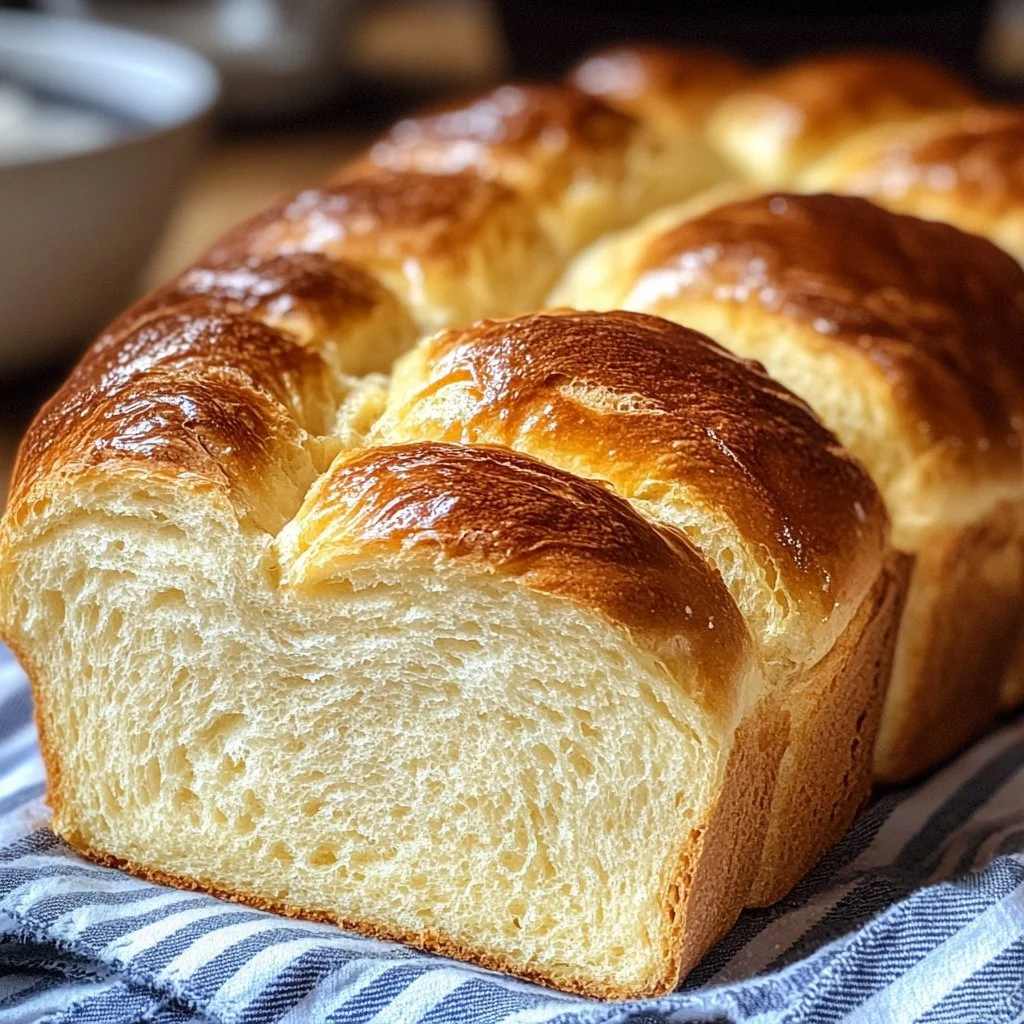
Soft brioche bread holds a special place in my heart. I remember my grandmother making it every Sunday morning, filling our kitchen with the warm aroma of freshly baked bread. Each slice of her brioche was soft and pillowy, perfect for spreading butter or making French toast. There’s something magical about homemade brioche that transforms a simple meal into an occasion worth celebrating.
The process of making soft brioche bread can seem daunting, but it’s truly rewarding and straightforward. The combination of rich butter, eggs, and sugar creates a flavor that is both buttery and slightly sweet. This recipe brings together the essential ingredients to craft a loaf that invites everyone to gather around the table for breakfast or brunch. With each bite, you’ll savor the nostalgia of home-cooked goodness and the joy of sharing it with loved ones.
Soft Brioche Bread: The Basics
Fundamentals
Soft brioche bread is a staple in many households. This decadent bread stands out for its rich texture and flavor. The key to a perfect brioche lies in creating a dough that is both elastic and buttery. The ingredients come together harmoniously to form a dough that doubles in size, resulting in an airy and tender loaf.
Understanding how each ingredient functions plays a crucial role in creating the perfect brioche. Flour provides the structure, while yeast contributes to the dough’s rise. Sugar adds a hint of sweetness, and milk enhances the overall richness of the bread. Meanwhile, butter creates that melt-in-your-mouth texture that brioche is known for.
Preparation/Setup
Before diving into the recipe, gather all the ingredients and tools. You will need a large mixing bowl, measuring cups, a wooden spoon or spatula, and a floured surface for kneading. A loaf pan greased with butter ensures the bread releases easily after baking.
Prepare your workspace by clearing away any distractions. Set the oven to preheat at 350°F to ensure perfect baking temperature when it’s time to slide in your loaf. Having everything at hand allows the process to flow smoothly and keeps the experience enjoyable.
Ingredients
The beauty of soft brioche bread lies in its simplicity. You will need:
- 4 cups all-purpose or bread flour
- 1/4 cup granulated sugar
- 1 packet (2 1/4 tsp) active dry yeast
- 1 tsp salt
- 1/2 cup whole milk (warmed to about 110°F)
- 4 large eggs (room temperature)
- 1/2 cup unsalted butter (softened and cut into chunks)
- 1 egg (for egg wash)
- 1 tbsp milk (for egg wash)
These straightforward ingredients come together to create a luscious loaf that captivates the senses.
Directions
- Activate the Yeast: Combine the warm milk, sugar, and yeast in a small bowl. Let it sit for about 5-10 minutes until foamy.
- Mix the Dough: In a large mixing bowl, add flour and salt. Create a well in the center and pour in the activated yeast mixture, followed by the eggs. Mix until the dough starts to come together.
- Knead the Dough: Transfer the dough to a floured surface. Knead for about 10 minutes, adding in the softened butter gradually, until the dough is smooth and elastic.
- First Rise: Place the dough in a greased bowl, cover with a damp towel or plastic wrap. Allow it to rise in a warm environment for about 1-2 hours, or until it doubles in size.
- Shape the Loaf: Punch down the dough gently and turn it out onto a floured surface. Shape it into a loaf and place it in a greased loaf pan.
- Egg Wash & Bake: In a small bowl, whisk together the egg and tablespoon of milk. Brush the mixture over the loaf. Preheat the oven to 350°F and let the dough rise for another 30-45 minutes. Bake for 25-30 minutes, or until golden brown.
- Cool & Serve: Remove the loaf from the oven and let it cool in the pan for about 10 minutes before transferring to a wire rack to cool completely.

Techniques for Perfect Brioche
Technique
To master soft brioche bread, pay attention to the kneading process. Kneading builds gluten, which is essential for the dough’s elasticity. Knead until you can stretch a small piece of dough without it tearing easily. This elasticity allows the brioche to rise beautifully, resulting in that soft and airy texture we all crave.
When it comes to activating yeast, ensure the milk temperature is just right—too hot, and it will kill the yeast; too cold, and it won’t activate. The desired temperature of around 110°F is crucial in helping the yeast bloom, resulting in a successful rise in your dough.
Tips and Tricks
Remember to use room-temperature eggs. Cold eggs can hinder the dough’s ability to rise. If you forget to take them out ahead of time, placing them in warm water for a few minutes can bring them to the right temperature.
While kneading, be patient. If the dough feels too sticky, dust with a little more flour rather than adding too much. The moisture content in the dough is important for achieving that tender crumb when baking.
Perfecting Soft Brioche Bread
Perfecting Results
To enhance your brioche, experiment with different types of flour. Using bread flour provides more protein, leading to a chewier texture, while all-purpose flour yields a softer crumb. Choose based on your preference and the texture you desire.
Additionally, consider the environment where the dough rises. A warm, draft-free area promotes better yeast activity. In cooler climates, placing the dough in the oven (turned off) with just the light on creates a cozy atmosphere for rising.
Troubleshooting/Varying the Recipe
If your brioche doesn’t rise as expected, first check the yeast’s freshness. Expired yeast can prevent the dough from rising. Also, take stock of the warmth during the rising phase—if it’s too cool, the dough may take longer to rise.
If you find your brioche too dry, consider adding a bit more milk next time. Adjusting ingredients can create a softer loaf, perfect for your taste buds.
Serving and Storage of Soft Brioche Bread
Serving and Presentation
Once your brioche is perfectly baked and cooled, slice it carefully with a serrated knife. It’s best served fresh, but leftovers can be stored. Gather everyone around the table, showcasing your beautiful loaf. Whether you serve it plain, with butter, or as French toast, it makes for an irresistible addition to any breakfast spread.
Pairings and Storage
Soft brioche bread pairs wonderfully with fresh fruits, jams, or creamy spreads. Its rich texture complements savory dishes as well, making it a versatile staple. For optimal freshness, store the loaf in an airtight container at room temperature for up to two days or in the refrigerator if you need it to last longer. For extended storage, consider freezing individual slices. Just make sure to wrap them well to avoid freezer burn.
Soft brioche bread encapsulates the essence of comfort food. Every ingredient and step contributes to a loaf that brings joy and satisfaction to every meal. Embrace the process, enjoy the aromas that fill your kitchen, and savor each soft slice.
Print
Soft Brioche Bread
- Prep Time: 30 minutes
- Cook Time: 30 minutes
- Total Time: 60 minutes
- Yield: 1 loaf
- Category: Breakfast
- Method: Baking
- Cuisine: French
- Diet: Vegetarian
Description
This soft brioche bread recipe is rich, buttery, and perfect for breakfast or brunch, evoking nostalgia of home-cooked goodness.
Ingredients
- 4 cups all-purpose or bread flour
- 1/4 cup granulated sugar
- 1 packet (2 1/4 tsp) active dry yeast
- 1 tsp salt
- 1/2 cup whole milk (warmed to about 110°F)
- 4 large eggs (room temperature)
- 1/2 cup unsalted butter (softened and cut into chunks)
- 1 egg (for egg wash)
- 1 tbsp milk (for egg wash)
Instructions
- Combine the warm milk, sugar, and yeast in a small bowl. Let it sit for about 5-10 minutes until foamy.
- In a large mixing bowl, add flour and salt. Create a well in the center and pour in the activated yeast mixture, followed by the eggs. Mix until the dough starts to come together.
- Transfer the dough to a floured surface. Knead for about 10 minutes, adding in the softened butter gradually, until the dough is smooth and elastic.
- Place the dough in a greased bowl, cover with a damp towel or plastic wrap. Allow it to rise in a warm environment for about 1-2 hours, or until it doubles in size.
- Punch down the dough gently and turn it out onto a floured surface. Shape it into a loaf and place it in a greased loaf pan.
- In a small bowl, whisk together the egg and tablespoon of milk. Brush the mixture over the loaf. Preheat the oven to 350°F and let the dough rise for another 30-45 minutes.
- Bake for 25-30 minutes, or until golden brown. Remove from the oven and let it cool in the pan for about 10 minutes before transferring to a wire rack to cool completely.
Notes
Use room-temperature eggs for better rising, and ensure the milk is at the right temperature to activate the yeast.