
📑 Table of Contents ▶
Soft and Chewy Sourdough Bread
I’m Della Lucia, and HealthyDinnerMeals was created from my belief that food should nourish both the body and the moments we share. My fondest memories come from simple homemade meals — not perfection, just comfort, connection, and care. Here, healthy eating stays approachable and satisfying, with recipes that fit real life: quick, flavorful, and balanced. Whether you’re cooking for yourself or loved ones, I hope these meals help you feel confident in the kitchen and inspired to enjoy every moment around the table.
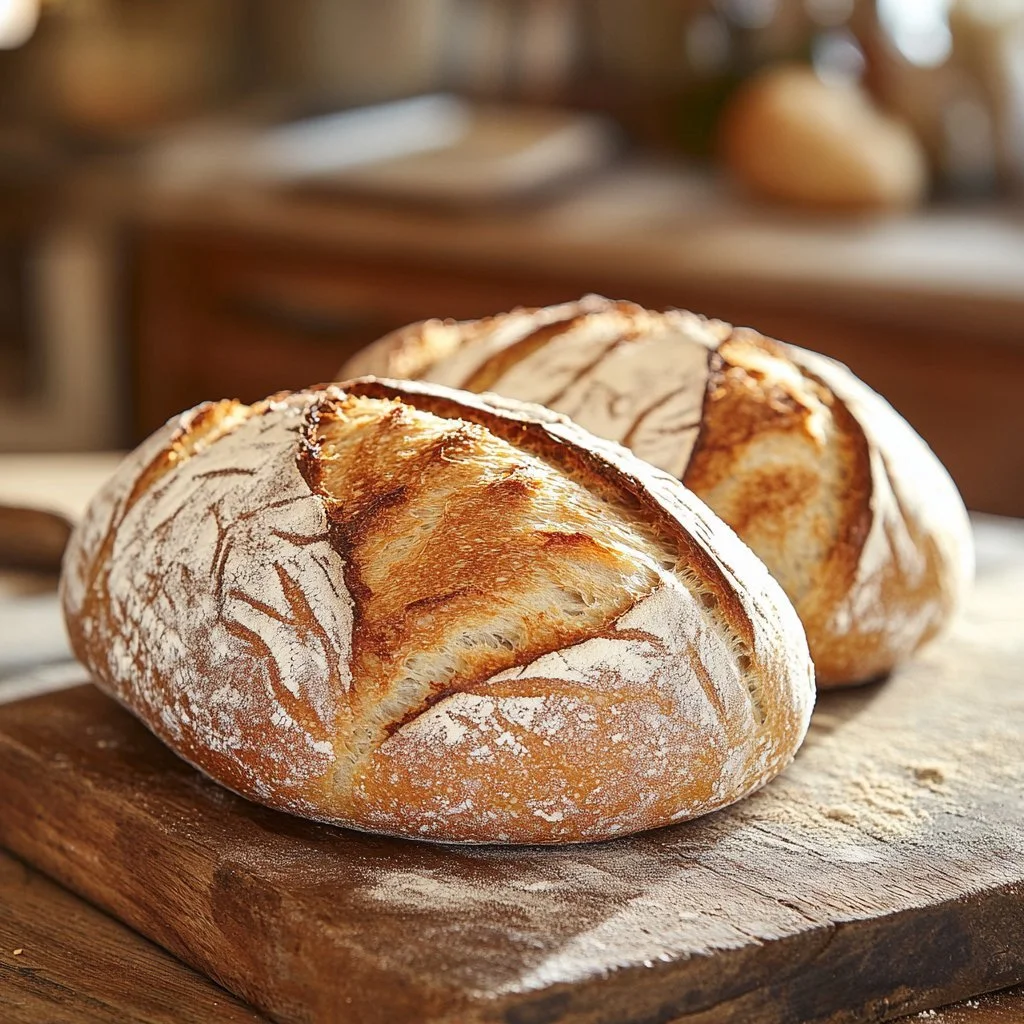
There’s something magical about the aroma of freshly baked bread wafting through the house. Soft and chewy sourdough bread captures that essence beautifully. The process may seem daunting at first, but it brings joy. Watching dough rise and transform into a golden loaf is an experience worth savoring.
Each ingredient plays a role in creating that signature texture. With every stretch and fold, the dough develops character and depth. The flavors deepen over time, and the final result never disappoints. There’s no better way to enjoy a slice than slathered with a touch of butter or paired with your favorite spread.
Let’s explore the fundamentals of creating this delightful sourdough bread together!
Soft and Chewy Sourdough Bread
Fundamentals
The fundamentals of sourdough bread begin with understanding the role of each ingredient. Bread flour provides the necessary protein content that contributes to the structure and chewiness. Water hydrates the flour and activates the gluten, while sea salt enhances flavor and controls fermentation. The sourdough starter serves as the fermentation agent, introducing beneficial bacteria and wild yeast that create that distinctive tang.
Investing time in nurturing your sourdough starter can pay off immensely. Whether it’s a family heirloom or one you’ve cultivated yourself, a well-maintained starter elevates your bread’s flavors. With the right techniques, anyone can turn basic ingredients into an artisanal bread.
Preparation is key. Make sure to gather your tools beforehand — a large mixing bowl, a clean towel, and a proofing basket. Each element plays a crucial part in the overall outcome, ensuring you achieve that soft and chewy texture that sourdough bread lovers crave.
Preparation/setup
Start by gathering your ingredients: 4 cups of bread flour, 1 ½ cups of water, 2 teaspoons of sea salt, and ½ cup of sourdough starter. Optional ingredients like chia seeds, sesame seeds, or herbs can add a unique twist. Prepare your work surface and make sure it’s clean.
Create a comfortable environment for your bread. Let it ferment at room temperature; this warmth encourages healthy yeast activity. Ensure you monitor the temperature and humidity in your kitchen. Different conditions can affect how quickly your dough rises. Patience is essential for achieving that perfect texture.
Ingredients
Gather these essential ingredients to embark on your sourdough journey:
- 4 cups bread flour
- 1 ½ cups water
- 2 teaspoons sea salt
- ½ cup sourdough starter
For enhancements, consider adding:
- Optional chia seeds, sesame seeds, or flax seeds for extra texture
- Fresh or dried herbs like rosemary or thyme to add depth
- Garlic powder for a savory twist
- Shredded cheese for a delightful flavor infusion
Directions
- Combine bread flour, water, sea salt, and sourdough starter in a large bowl and mix until no dry flour remains.
- Cover the bowl with a clean towel and let the dough rest for 30 minutes.
- Wet your hands, stretch, and fold the dough around the bowl 4-5 times, repeating this every 30 minutes for 2 hours.
- Cover and let the dough ferment at room temperature for 4-6 hours, until doubled in size.
- Shape the dough into a ball and place seam-side up in a floured proofing basket. Cover and let rise for 1-2 hours or refrigerate overnight.
- Preheat your oven to 500°F (260°C) with a Dutch oven inside.
- Turn the dough onto parchment paper, score the top with a knife, and transfer to the hot Dutch oven. Cover and bake for 20 minutes.
- Remove the lid and bake for another 20-25 minutes until golden brown.
- Let cool on a wire rack before slicing.
The Art of Sourdough
Technique
Mastering sourdough involves more than just following a recipe; it requires embracing a technique. The stretch and fold method dramatically improves gluten development. Performing this technique every 30 minutes during the first couple of hours greatly enhances the desired texture.
Ensure your ingredients are at room temperature. This can make a significant difference in the dough’s ability to rise. If you want to experiment, try varying the hydration level by adjusting the water content. This can create different loaf textures and flavors.
Tips/tricks
To elevate your sourdough experience, here are some useful tips:
- Experiment with hydration levels: Higher hydration yields a more open crumb, while lower hydration results in denser bread.
- Monitor fermentation: If the dough rises too quickly, adjust the room temperature or reduce the amount of starter.
- Use a bench scraper: This tool helps divide and shape the dough easily without tearing.
Incorporating seeds or herbs can introduce exciting flavors. Feel free to get creative; sourdough is versatile and welcomes experimentation.
Mastering Sourdough
Perfecting results
Perfecting soft and chewy sourdough bread requires attention to detail. Keep track of the fermentation times based on your kitchen environment. Warmer conditions speed up the process, while cooler surroundings slow it down.
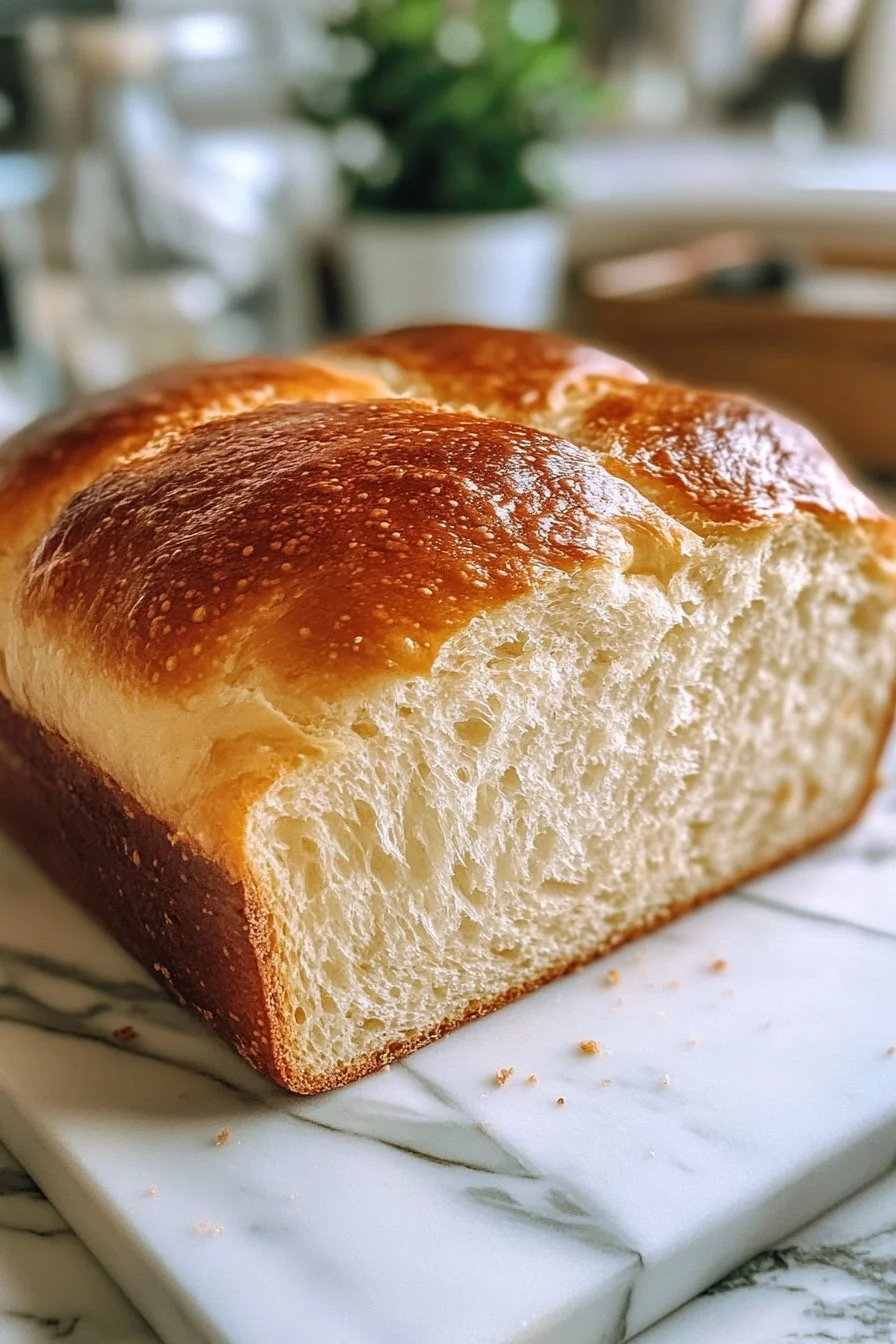
A good indicator of readiness is when the dough has doubled in volume and exhibits a slightly domed top. When shaping the dough, ensure minimal degassing. A gentle touch preserves air pockets, leading to a lighter texture.
Troubleshooting/variations
Even experienced bakers face challenges. If your bread doesn’t rise adequately, check the freshness of your sourdough starter. A sluggish starter can lead to disappointing results. Additionally, ensuring the water temperature is suitable for yeast activity is crucial.
If the crust turns too dark, lower the baking temperature slightly. Alternatively, if the bread comes out too dense, consider increasing the hydration or adjusting fermentation times. Variations like adding cheese or herbs can enhance flavor without compromising texture.
Enjoying Sourdough
Serving/presentation
Slice your freshly baked sourdough into thick pieces for delightful serving. Pair it with olive oil and balsamic vinegar for dipping or enjoy it with your favorite spreads. Its crusty exterior and soft interior make it perfect for sandwiches or toast.
When arranging on a serving platter, a sprinkle of herbs can add visual appeal. Take advantage of the presentation to showcase its rustic charm — this bread is more than just food; it’s a centerpiece.
Pairings/storage
Sourdough bread pairs beautifully with a variety of meals. Consider enjoying it alongside a fresh salad or your favorite soups. Cheese spreads and other toppings make delightful accompaniments as well.
To store your sourdough, wrap it in a clean kitchen towel or place it in a paper bag to keep the crust crunchy. For longer storage, consider freezing slices. Thaw them as needed for enjoyment anytime.
Conclusion
Sourdough bread embodies comfort and connection, making the journey from dough to loaf incredibly rewarding. Mastering the soft and chewy texture opens a world of delightful possibilities. Whether enjoyed fresh or paired with various dishes, sourdough adds a special touch to any table. Experiment with flavors, refine your technique, and relish the satisfaction that comes with baking your own bread. Let your kitchen become a haven of warmth and aroma, filled with the joy of homemade sourdough.
Print
Soft and Chewy Sourdough Bread
- Prep Time: 15 minutes
- Cook Time: 45 minutes
- Total Time: 60 minutes
- Yield: 1 loaf
- Category: Bakery
- Method: Baking
- Cuisine: Artisan
- Diet: Vegetarian
Description
Experience the joy of baking with this soft and chewy sourdough bread, perfect for sandwiches or enjoying with spreads.
Ingredients
- 4 cups bread flour
- 1 ½ cups water
- 2 teaspoons sea salt
- ½ cup sourdough starter
- Optional: chia seeds, sesame seeds, fresh or dried herbs, garlic powder, shredded cheese
Instructions
- Combine bread flour, water, sea salt, and sourdough starter in a large bowl and mix until no dry flour remains.
- Cover the bowl with a clean towel and let the dough rest for 30 minutes.
- Wet your hands, stretch, and fold the dough around the bowl 4-5 times, repeating this every 30 minutes for 2 hours.
- Cover and let the dough ferment at room temperature for 4-6 hours, until doubled in size.
- Shape the dough into a ball and place seam-side up in a floured proofing basket. Cover and let rise for 1-2 hours or refrigerate overnight.
- Preheat your oven to 500°F (260°C) with a Dutch oven inside.
- Turn the dough onto parchment paper, score the top with a knife, and transfer to the hot Dutch oven. Cover and bake for 20 minutes.
- Remove the lid and bake for another 20-25 minutes until golden brown.
- Let cool on a wire rack before slicing.
Notes
Experiment with hydration levels and different seeds or herbs for unique flavors. Monitor fermentation times based on kitchen environment.